RUBINA’S REVIEW | XU DUBAI

JANUARY 9, 2024

Dubai doesn’t just flirt with food from around the world, it romances it with consummate ardour. There’s always a new restaurant, hotel, bar lounge or cafe opening in the exciting emirate of Dubai every other week or month, that speaks to its culinary coquetry. XU, an alluring new Cantonese restaurant and bar opened at the Kempinski Mall Of The Emirates hotel in November 2023 and it is fire! 2024 is the Year of The Dragon after all – it’s all about the element of fire. Ralph’s Coffee by Ralph Lauren is set to open its first cafe in the United Arab Emirates, in Dubai, right by the POLO Ralph Lauren store at the Mall of The Emirates towards the end of January 2024. This will be Ralph’s Coffee’s third outpost in the Middle East, with a twin cafe presence in Doha, Qatar, since 2020, at the Hamad international airport and at Place Vendome. A highly anticipated opening in Dubai is that of the Dorchester Collection’s first hotel in the Middle East, The Lana, which is the company’s 10th luxury hotel worldwide. The Lana is scheduled to open on February 1, 2024 in Dubai’s Marasi Bay and I’m quite certain that it is going to light up the glimmering Dubai skyline with its stellar presence in the world of hospitality.

©XU Cantonese Restaurant and Bar, Dubai, UAE | Photographed by Rubina A Khan

As I walk into XU for dinner on a weekend, the restaurant’s decor of Chinese lanterns, red haute walls and mirrored ceilings make me go Nǐ Hǎo Xìnggǎn in Mandarin (Hello Sexy!). XU is busy and buzzing with people, an open kitchen, a bar with a speak-easy lounge vibe, yet it feels amorously intimate, with the night breeze wafting in from the dreamy, wrap-around terrace. To dine on XU’s terrace under the cool night skies of Dubai in December is what desert, and dessert dreams, are made of.

XU’s menu is inspired Cantonese (Guangdong, Yue) cuisine with Southeast Asian flavours. From Ruinart Blanc de Blancs champagne to sake to fresh juices to fun cocktails with Chinese pop culture references like the Bruce Lee inspired Be Water with gunpowder infused vermouth, Mango Pao with Horchata, Year of the Dragon with a Paloma tequila and the Hungry Ghost with Chinese Baijiu, XU’s beverage selection is impressive. Baijiu is a colourless grain spirit that is traditionally made from sorghum for over 5000 years in China. Baijiu is the national drink of China and it is to China what sake is to Japan and soju is to Korea. Interestingly, it is the most consumed spirit in the world.

©Foie Gras Bao at XU Dubai, UAE | Photographed by Rubina A Khan

XU had me at the first appetiser, the Foie Gras Bao with roasted Peking Duck – decadent, buttery with a warm caramelised crunch, it’s scrumptious and to fly back for! I chose well! Fruity hardwoods like maple, apple and cherry are used to smoke dark meat like duck as they add a delicious sweetness to the meat. I’ve always ever eaten apple wood smoked Peking duck, even in Beijing and Hong Kong, but now I am in love with the Cherry Wood Peking Duck at XU. The Mapo Tofu was flavourful and light, with steamed jasmine rice as was the Kale Egg Fried Rice. A Chocolate Hazelnut Tofu Pudding with chocolate ice cream is such an exquisite, yet simple amalgamation of textures and flavours and that’s why I love XU – it’s got its flavours and inspired dishes just right! From Peking duck to Wagyu to scallops to Alaskan crabs and Canadian lobsters, you will find a favourite at XU.

©XU Cantonese Restaurant and Bar, Dubai, UAE | Photographed by Rubina A Khan

Given I was all about the Peking duck on this particular XU night, a drink called Jinsé de Xu caught my eye. Jinsé de Xu is made with duck fat washed bourbon, fine tawny port, bamboo snow white tea cordial, chilli agave syrup, pandan and creole bitter – just the drink du jour to end the night. The service by the staff at XU is attentive, knowledgeable and friendly, making it very easy to stay on till 3AM. XU is only open for dinner everyday, 6PM onwards.

©XU Cantonese Restaurant and Bar, Dubai, UAE | Photographed by Rubina A Khan

XU is owned by the Rikas Hospitality Group, which also opened the first Tiffany & Co. Blue Box Café in the Middle East at the Dubai Mall in October 2023. This is the fourth Blue box Café in the world after New York, London and Hong Kong and the Tiffany blue-hued cafe is located within the Tiffany & Co. flagship store in the mall. Blue box Café not only makes Breakfast At Tiffany’s real, but an indulgent French-American culinary experience, without the arc lights and Audrey Hepburn of course.

XU
Kempinski Mall of the Emirates Hotel,
Al Barsha, Dubai, UAE.
Sunday-Wednesday: 6PM-1AM
Thursday-Saturday: 6PM-3AM
Phone: +971 4 341 0000

Disclaimer: Any part of the content on the rubinaakhan.com website cannot be reproduced without prior permission and crediting the website and the author. The © ahead of a name is the copyright of the subject in the photograph and not shot by Rubina A Khan.

©Rubina A Khan 2024

RUBINA’S RADAR | WESTLIFE IS COMING EAST

NOVEMBER 21, 2023

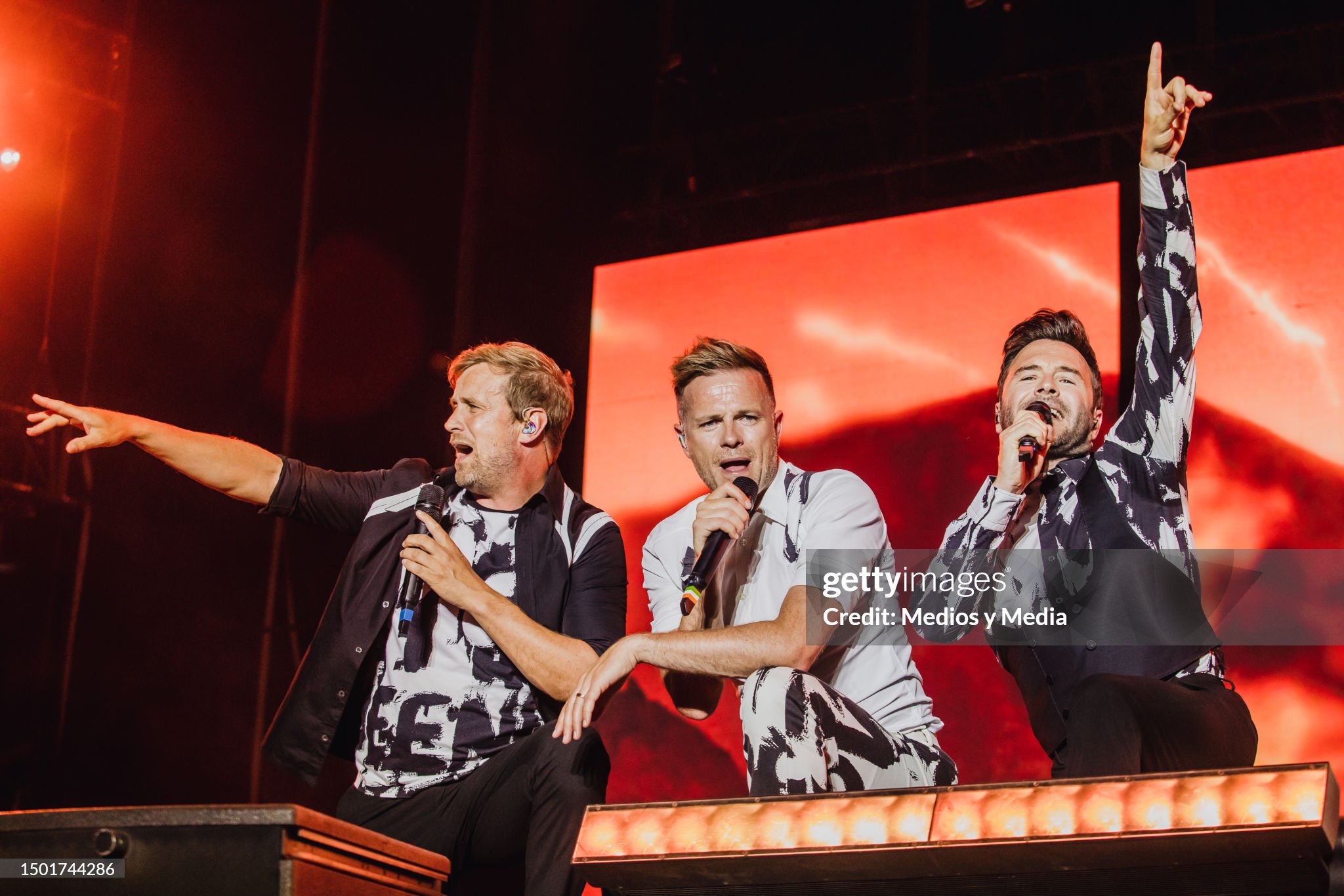
The most famous Irish boy band in the world is U2 formed by Bono (Paul Hewson), The Edge (David Evans), Adam Clayton and Larry Mullen Jr. in 1976 whilst they were all still attending Mount Temple Comprehensive School in Dublin, Ireland. The global music landscape has seen very successful boy bands coming out of Ireland ever since, especially in the 90s, one of them being Boyzone (very imaginatively named) that was formed in 1993, followed by Westlife in 1998. Interestingly, Louis Walsh managed both Boyzone and Westlife. Straight off their shows in South Africa, Taiwan, Macau and Vietnam, Westlife is coming to India to perform live for the very first time in November 2023 with their Wild Dreams Tour 2023 and 2024.

MUMBAI: Irish pop band, Westlife, will be performing live for the first time in India in three cities – at the Mahalaxmi Race Course in Mumbai on November 24th, at the Embassy Riding School in Bangalore on November 25th and at the Jawahar Lal Nehru Stadium in New Delhi on November 26th. Westlife was formed in 1998 in Dublin, Ireland, with Shane Filan, Mark Feehily, Kian Egan and Nicky Byrne. Brian McFadden was a member before leaving the group in 2004. They will be performing their pop chart historical numbers – Uptown Girl, Swear It Again, If I Let You Go, Flying Without Wings, You Raise Me Up, I Have A Dream, When You’re Looking Like That, along with the latest tracks from their twelfth studio album Wild Dreams, that was released on November 26th, 2021 by East West Records.

Westlife performs as part of the ‘Festival Machaca 2023’ at Parque Fundidora on June 24, 2023 in Monterrey, Mexico.

Kian, Mark and Shane performed in their school musical Grease together in the early 90s, and after their success on stage, they decided to form a band. Westlife has gone through many name changes since the band’s formation from 6 AS 1, I.O.YOU, Westside to finally Westlife named thus as Kian, Mark and Shane are from Sligo in west Ireland, with only Nicky being a Dubliner. Westlife recently announced their very first headline North American tour in 2024, starting with Canada in March 2024 to USA, Mexico and Brazil.

Disclaimer: Any part of the content on the rubinaakhan.com website cannot be reproduced without prior permission and crediting the website and the author. The © ahead of a name is the copyright of the subject in the photograph and not shot by Rubina A Khan.

©Rubina A Khan 2023

RUBINA’S RADAR | A JUMMA AND A CHUMMA IN MUMBAI

NOVEMBER 17, 2023

Attention is a heady elixir in Mumbai, and rather addictive at that. With the world blowing kisses at Virat Kohli for breaking and making new cricket records at the Wankhede Stadium and football’s invincible goliath himself, David Beckham on a walkabout of the very same stadium with none other than the revered lord of cricket, Sachin Tendulkar, with Kohli as an assist, it’s been a very celebratory November so far. And with India playing Australia in the ICC Men’s Cricket World Cup 2023 on November 19th in Ahmedabad, the attention on cricket is only going to escalate, particularly if India wins the cup.

MUMBAI: India’s colossus of cricket, Virat Kohli became the first batter in ODI history to score 50 centuries, breaking the record for most hundreds in ODIs during the ICC Men’s Cricket World Cup 2023. Kohli broke Sachin Tendulkar’s landmark record for most ODI centuries when he hit his 50th ODI hundred in the semifinal game against New Zealand on November 15th at the Wankhede Stadium in Mumbai, India. Kohli made his ODI debut in 2008 and has played 279 innings in 291 matches to score 13,794 runs at an average of 58.69 and a strike rate of 93.62 to date. He has scored 50 centuries and 71 half-centuries in the 279 innings to date. After the 2011 World Cup win, Kohli had carried his idol, Sachin Tendulkar on his shoulders on the Wankhede grounds, and after hitting his milestone, he saluted towards the stands in the direction of his wife Anushka Sharma, and then to Tendulkar. “It’s the stuff of dreams, Anushka was sitting right there, Sachin was there in the stands. It’s very difficult for me to explain this, but if I could paint a perfect picture, I would want this to be the picture. My life partner, the person I love the most, she’s sitting there. My hero, he’s sitting there. And I was able to get there in front of all of them and all these fans in Wankhede as well, such a historic venue. It was amazing,” said Kohli of his historic moment and India’s win.

Virat Kohli at the Wankhede Stadium in Mumbai, India on November 15th, 2023.

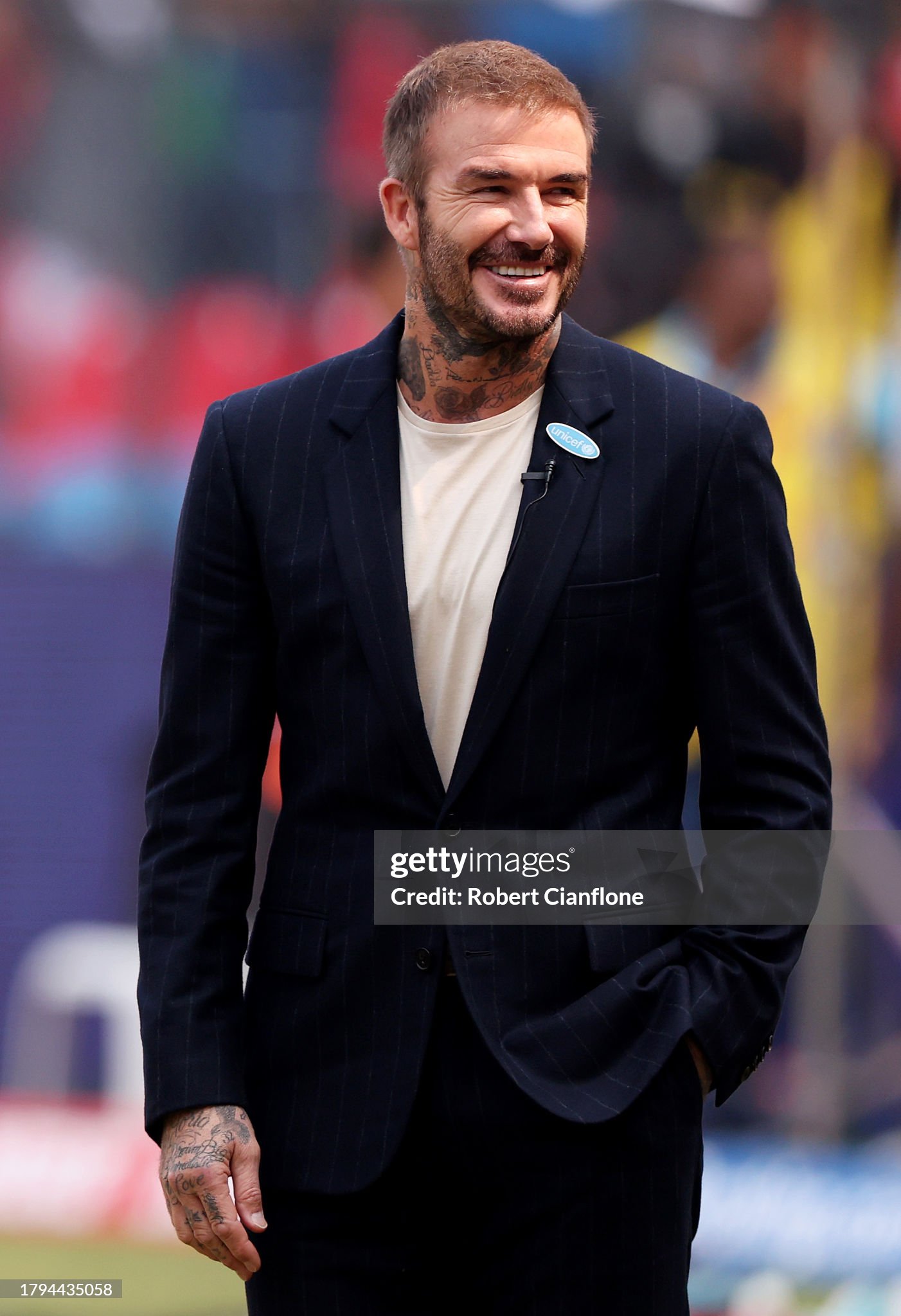
Of course there was another sporting goliath, David Beckham, watching the semi-final game and Kohli’s record innings from the stands. Beckham was on his first visit to India as a UNICEF goodwill ambassador, and caught up with the revered god of cricket and ICC Global Ambassador, Sachin Tendulkar in Mumbai, ahead of India’s semi-final match against New Zealand. People went wild seeing Beckham, Tendulkar and Kohli together, and the three legends of sport were met with thunderous applause and excitement by the fans at Wankhede, especially when Kohli played assist for Beckham’s legendary kick. India plays Australia at the Narendra Modi stadium in Ahmedabad on November 19th and it remains to be seen what records the boys in blue will make and break on the day.

David Beckham with Sachin Tendulkar, Akash Ambani, Kiara Advani, Siddharth Malhotra at the Wankhede Stadium in Mumbai, India

MUMBAI: The first edition of Himalayan Knot, a project exploring the textiles, weaves and crafts of the Himalayan region, namely Ladakh, orchestrated and nurtured by Royal Enfield’s (Eicher Motors Ltd) social mission, was held on November 17th at a Mukesh Mills in Mumbai. The Timeless Spirit of The Himalayas, a conversation between designer Prabal Gurung and sustainable activist and journalist, Bandana Tewari, both of Nepalese descent and heritage, spoke of their combined familiarity with the Himalayan region, and the pressing need for its rightful cultural identity on the global landscape. After all, conversations like these that stem from personal experiences, are the first drivers that action change, be it cultural, ethnic, political or climactic. The Himalayan region traverses India, Nepal, China, Pakistan and Bhutan, and is often othered and smothered by talks of the highest mountain peak in the world, Mount Everest, and not its indigenous people, their culture, their histories and the adverse effects of global warming on all aspects of their life. Tewari also moderated a panel on Empowering Communities Through Craft and Culture and Shaping Contemporary Fashion With Heritage Textiles during the course of the evening. Talking about the plurality in the singularity of our roots and our heritage is the only way forward in a world consumed with selective recognition. The Himalayan kitchen experience was crafted by culinary virtuoso, Chef Prateek Sadhu’s new restaurant NAAR (fire in Kashmiri) in Solan, and led by Chef Kamlesh Negi and a 10-member team, alongside Ladakhi home chefs in Mumbai. The Baqarkhaani, Yak Cheese Askaloo and Gucchi Pulao were incredibly flavourful and delicious. The affable Chef Negi lives in Dehradun, but he belongs to the Paudi Garhwal region of Uttarakhand, and his culinary talent for regional dishes is beyond compare. I am yet to eat something made by him that’s not wildly amazing and memorable.

©Prabal Gurung at Mukesh Mills, Mumbai, India | Photographed by Rubina A Khan

Strategically positioned on the banks of the Arabian Sea, Mukesh Mills, a favoured spot for film shootings, came alive for the night from its dilapidated, withered, barren and abandoned state of existence. Prior to this Jumma night, I had only ever seen Mukesh Mills playing shape-shifting characters in Amitabh Bachchan’s films, namely the Jumma Chumma track from Hum (1991), Khuda Gawah (1992), Agneepath (1990), all directed by the late Mukul Anand. I reckon Bachchan’s Tiger in Hum led to the spawning of many tigers in the film industry since, but Bachchan’s Tiger is an indomitably original and beloved character. I was deliciously excited to be at Mukesh Mills, a place I had wanted to visit for a long time, imagining Bachchan’s 90s era and the films he shot at the abandoned and obsolete mill. I shall go back to Mukesh Mills soon to see the jetty and the docks in all their geographical and historical glory under the warmth of the winter sun.

Mukesh Mills in Colaba, Mumbai, India

An excerpt from ©Amitabh Bachchan’s blog, marked Day 75 reads thus:
“My dear friend and producer of the film, Romesh Sharma and I had been battling for a number for a sequence for a while. On a private visit to Brussels, Belgium I walked past a music store and heard the notes of a song which remained with me. A few months later driving up to Abhishek’s school in Switzerland I heard some attractive notes of another song on the radio and it all came together. ‘Mukhra’ Belgium, ‘antara’ Switzerland and we had the song. Soon after it was recorded, there was Holi at Prateeksha and in the madness of the revelry of the festival, we played the song out to the hundreds of guests at an open house. Billu, as I fondly call Romesh, and I knew we had a winner. We sat on the design, we sat on the location, we sat on the choreography and picked Mukesh Mills. Set up a section of the dilapidated factory into a workers entertainment centre and shot the song. I have never witnessed such enthusiasm and energy in all, during the shooting of this catchy number. We had our moments though. A few months before that shooting I had been on a concert tour – Jumma Chumma in London. Wembley Stadium. 65,000 people. A first for any Indian concert. There was just Sridevi and myself and Kalyanji Anandji with Viju and his orchestra. But I wanted more artists. Two young first timers had suddenly erupted on the film firmament and had perhaps just one film to their credit. Aamir Khan and Salman Khan. It was their first stage show ever. I invited them to join us. Along with Anupam and Neelam we had the concert of our time. A film was made of it and it is available on dvd and video. The popularity of the song and the concert visual was now known to all. We had performed it on stage with exquisite Broadway dancers from New York. They had looked stunning. Would the impression of the song in the minds of the audience get disturbed with what they were now about to see on screen? It was a challenge. One that dance director Chinni Prakash came out in flying colors with. The lovely Kimi Katkar, so gorgeous in her red dress and the only lady on set in the song, incredible. In every shot, the crew, the light men, the spot boys the producer, director, the crowds, all screaming and shouting, egging us on to give our best. What an atmosphere.”

Disclaimer: Any part of the content on the rubinaakhan.com website cannot be reproduced without prior permission and crediting the website and the author. The © ahead of a name is the copyright of the subject in the photograph and not shot by Rubina A Khan.

©Rubina A Khan 2023

Chivas Glassware Alchemy 2023 In Mumbai

Mumbai is where the fame and glamour games are at, but since March 2023, an almost impossible party métier seems to have been set in basalt by the city, upon itself. The bar was raised irrevocably by the magnitude and magnificence of French fashion house, Christian Dior’s pre fall 2023 runway show held at the Gateway of India on March 30, so much so that no one remembers or wants to remember ABCD – A Before Christian Dior era! Mumbai shows no signs of tailing off the money shots any time soon, with Chivas Glassware Alchemy 2023 shaking up the city’s May calendar with its beguiling arrival.

MUMBAI, INDIA – MAY 06: A general view of the music stage at the Chivas Glassware Alchemy 2023 Event on May 06, 2023 in Mumbai, India. (Photo by Rubina A. Khan/Getty Images)

The fourth edition of Chivas Glassware Alchemy 2023, called the Kaleidoscope of Time, was held on Saturday, May 6th in Mumbai at Snowball Studios in Worli. Time as a construct cannot be contained, but it can certainly be felt, such was the ubiquitous theme of the haute summer night. Oscillating between the then and now, the alluring blue-hued night reiterated the universal infinitude that today’s new is tomorrow’s vintage through fashion, art, music and food in a manner most luxurious.

Five virtuosos played host in previous years at Chivas Alchemy, expressing themselves through the five senses of Sight, Sound, Smell, Taste, and Touch, but this edition had eighteen this time around, dix huit being the magic number of the award-winning Chivas 18 whisky blend.

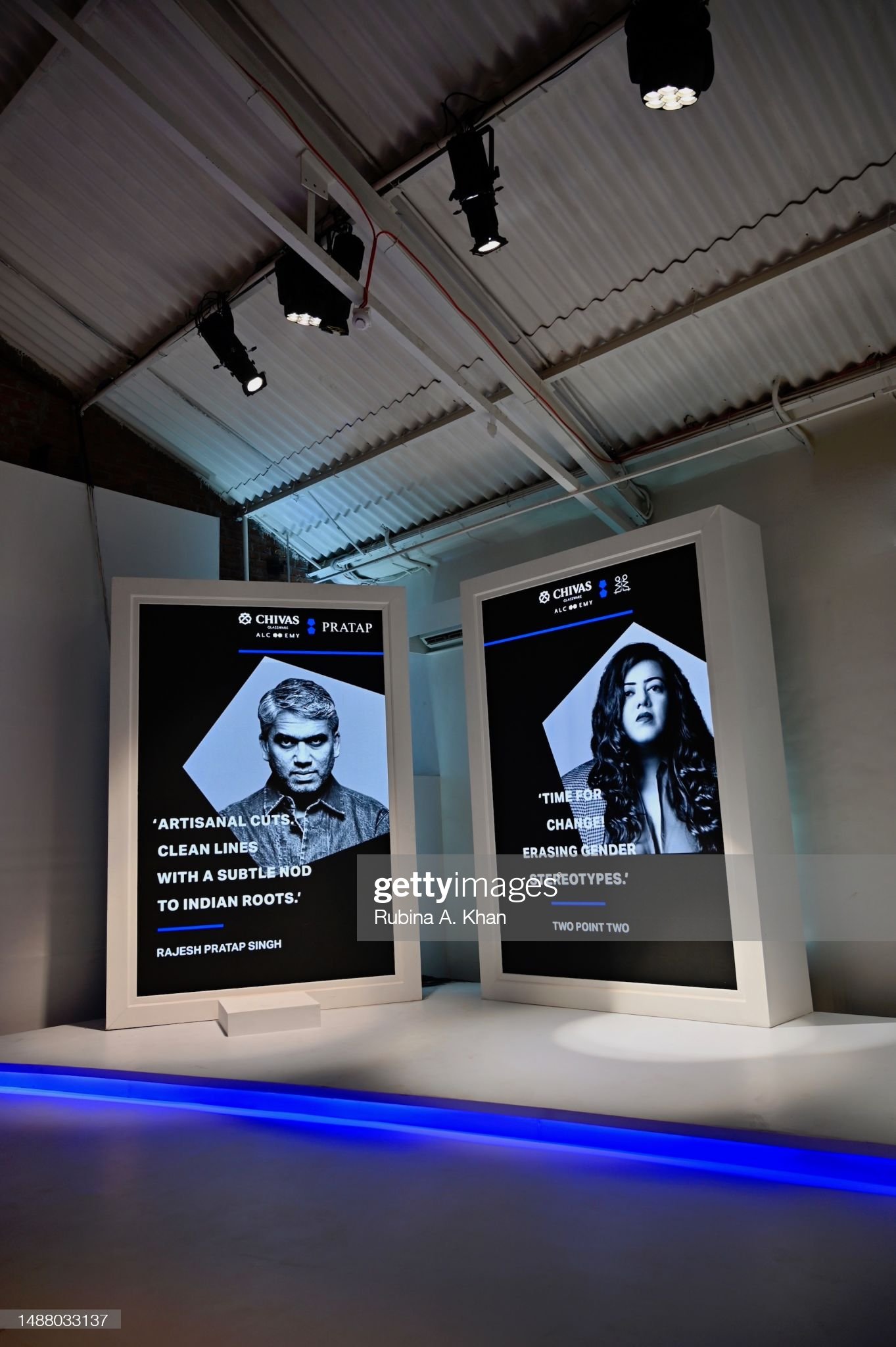
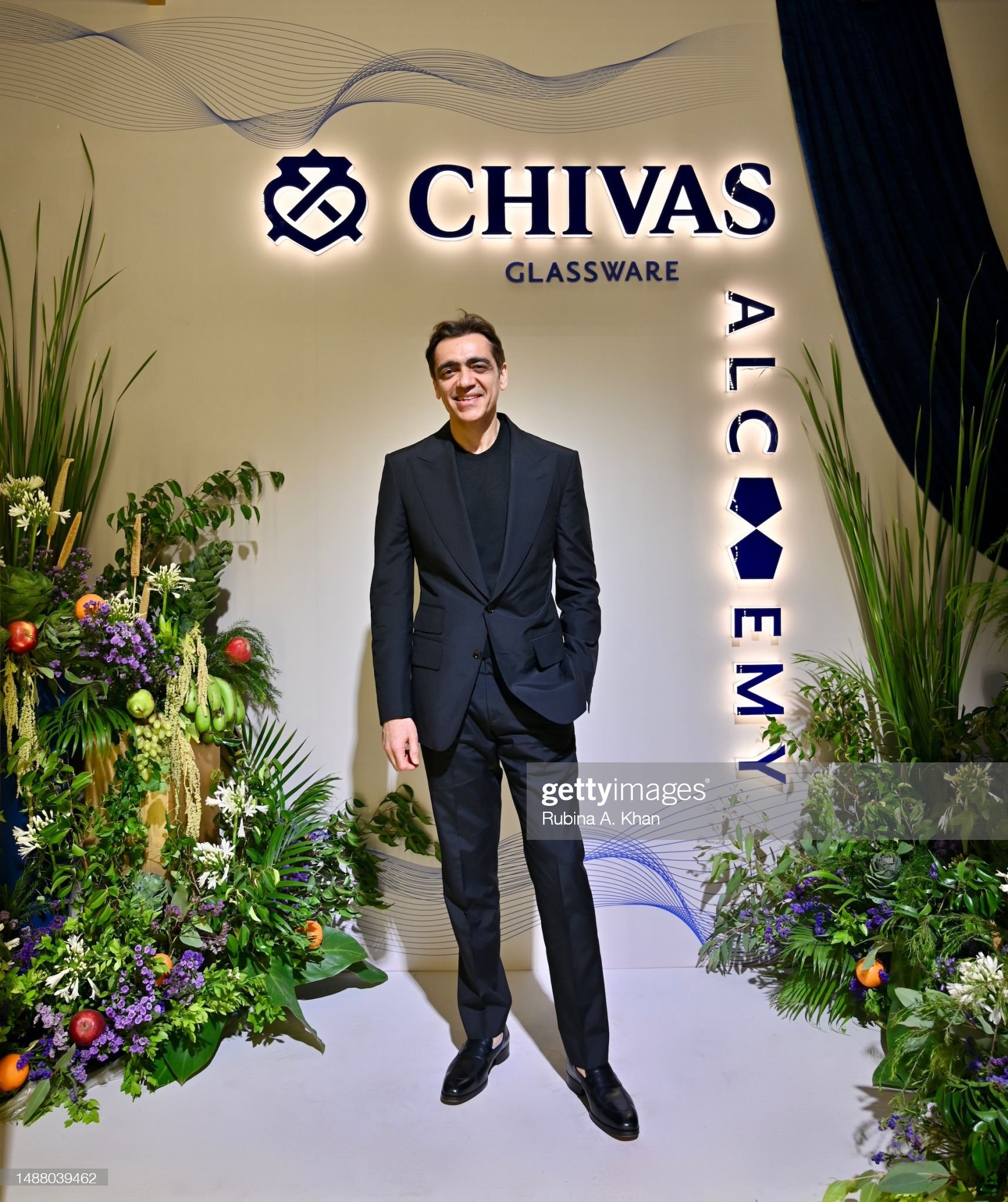
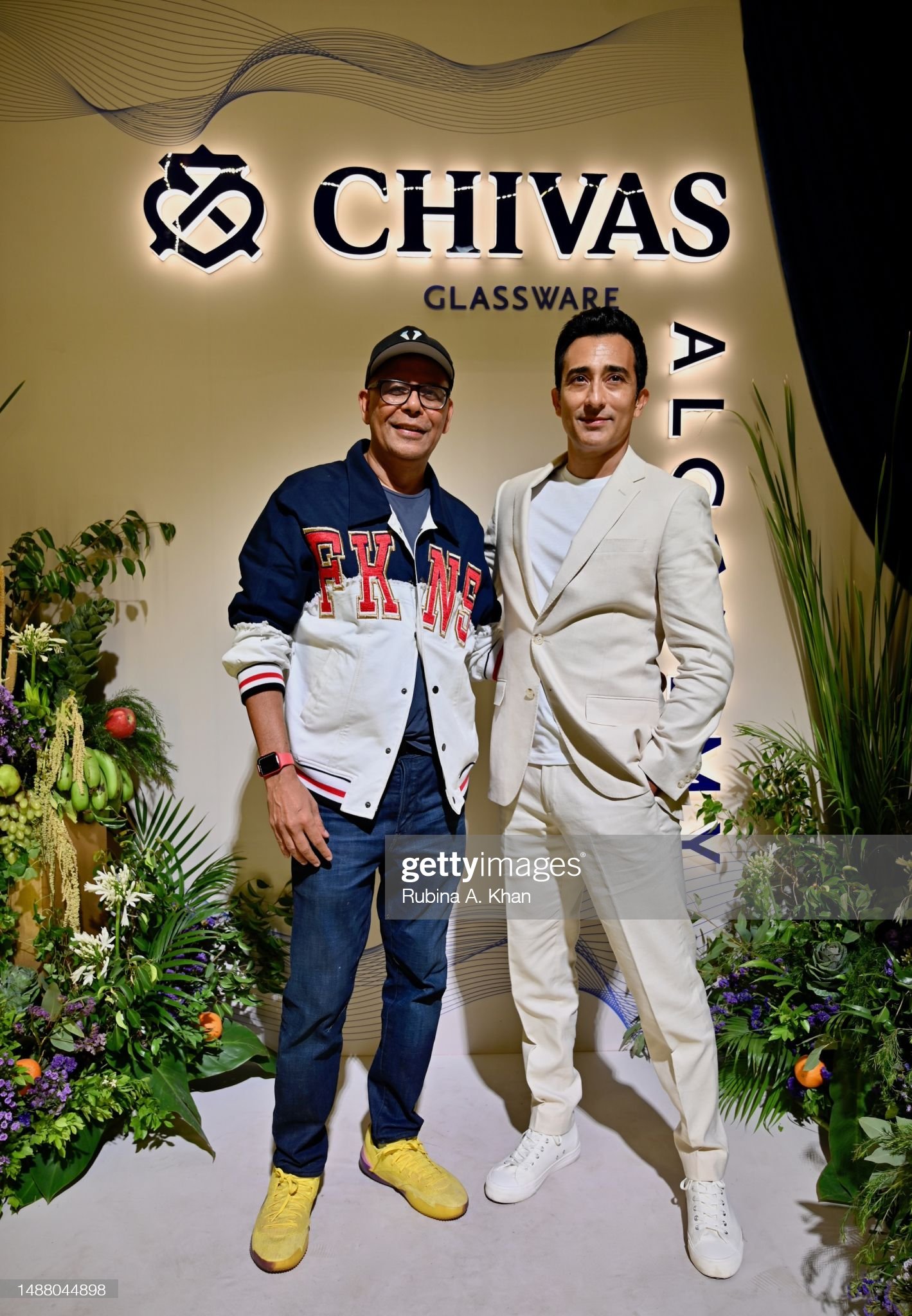
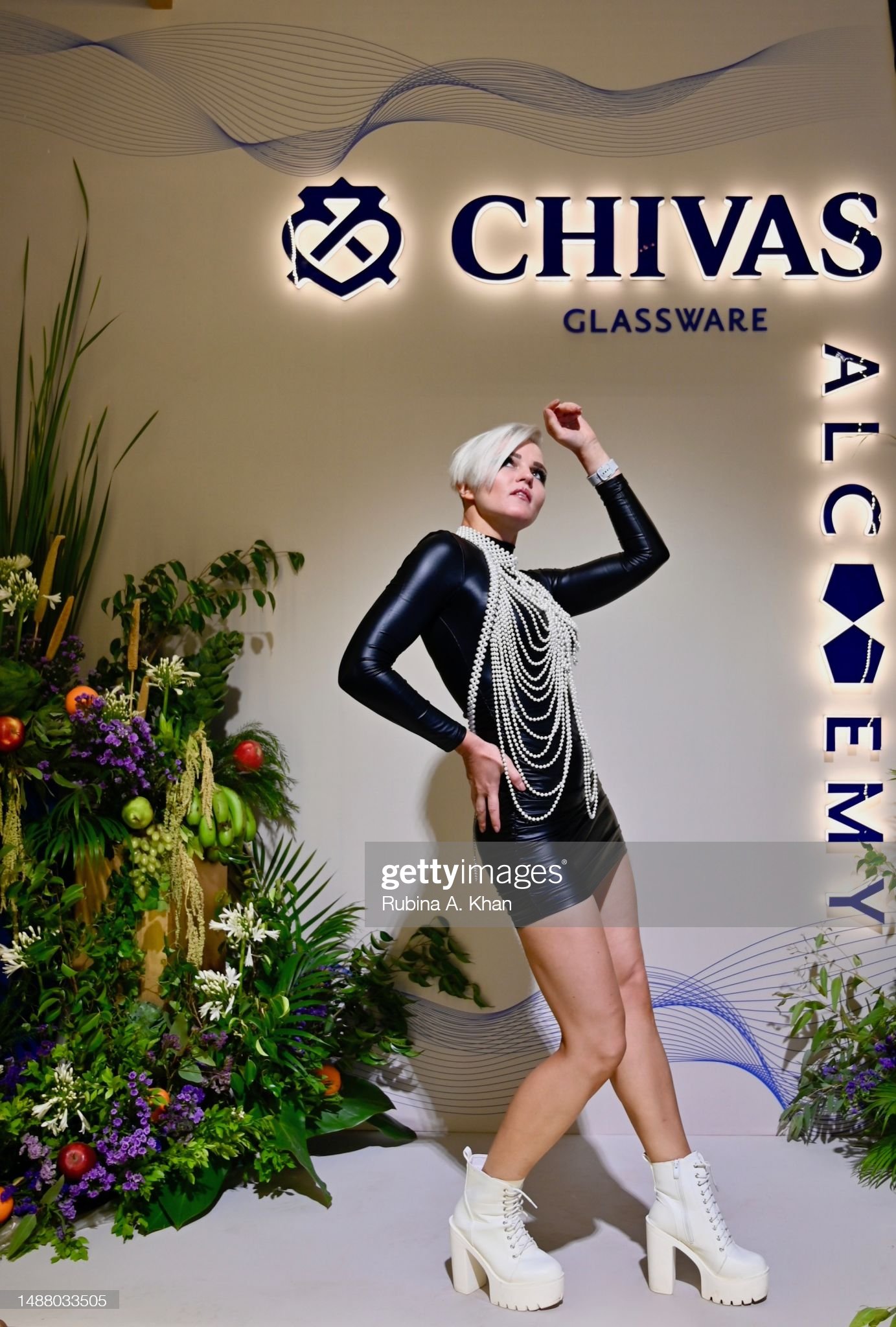
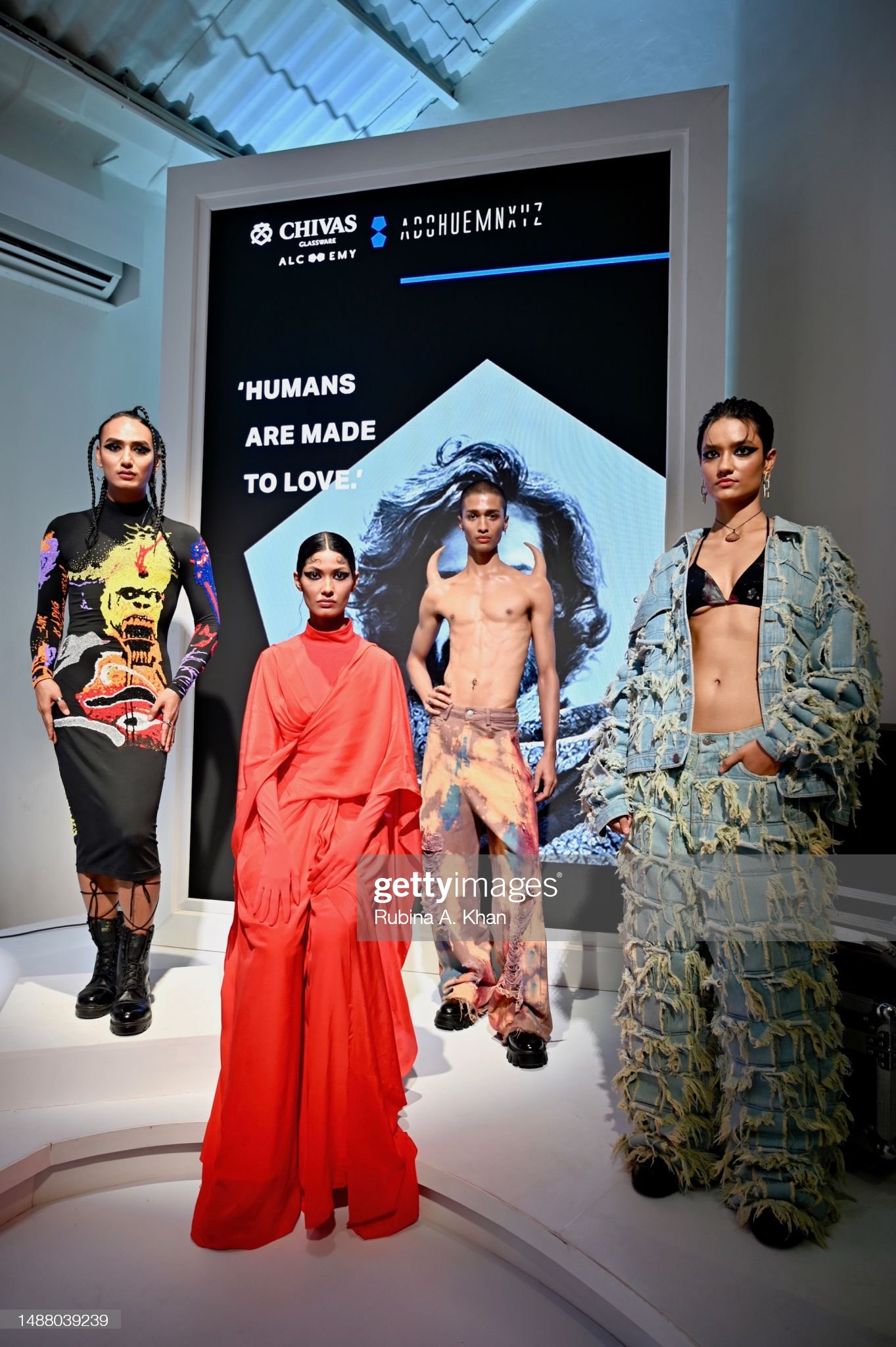
The night was separated by rooms, each echoing the spirit of the artistry exhibited in it. Eleven design minds, ranging from established Indian designers to emerging ones, showcased their fashion genres through live installations in the main room, ably complemented by the art on the walls, a very busy bar and of course beautiful people like Malaika Arora, Arjun Kapoor, Rahul Khanna, Pulkith Modi, Kunal Kapoor, Narendra Kumar, Rajesh Pratap Singh and so many more at the party. There were almost a thousand people in attendance! The second area had an art installation with a bar right by it and a mezzanine bar above. The third room was where the party was really at with an edible centrepiece and culinary experiences par excellence by Ekaa Mumbai, Koko and Eat Drink Design. Chef Niyati Rao of Ekaa Mumbai is a culinary genius! The live musical act by Delhi businessman Ajay Bijli, and his band, Random Order, had everyone singing and dancing to his dulcet sounds – he’s got some pipes – and DJ Masha from Belarus turned up contemporary beats on her turntable, with yet another open bar led by mixologist, Giovanni Depergola from Dubai. Four open bars raising the party bar in Mumbai!

The interpretation of the night was yours, and yours alone, whether you loved the vintage, heritage vibe or the modern, hedonistic one. Everything in Mumbai is now evaluated in an AD (After Dior) parameter and that’s a tall order in itself, and I think that Chivas Glassware Alchemy 2023 was a wicked success making it one of the top three events in the city so far – it was mounted and orchestrated on a lush scale, with an attendance as bold and seductive as its whisky blends!

Disclaimer: Any part of the content on the rubinaakhan.com website cannot be reproduced without prior permission and crediting the website and the author.

©Rubina A Khan 2023

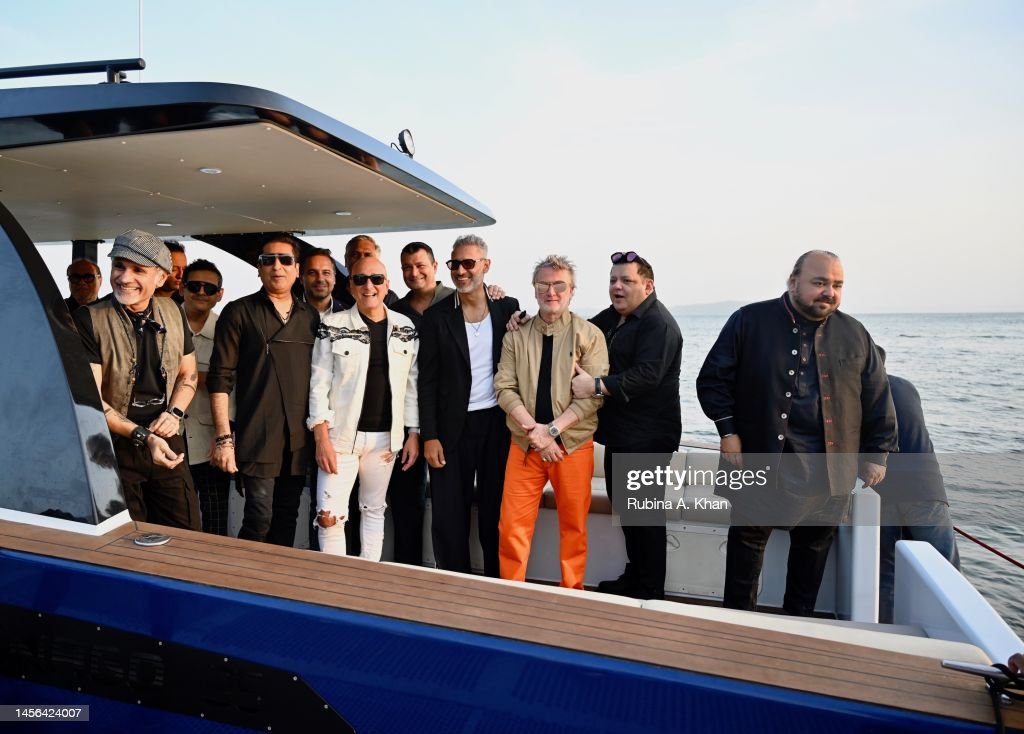
FDCI’S India Men’s Weekend 2023 Commenced With A Runway On The River Mandovi In Goa

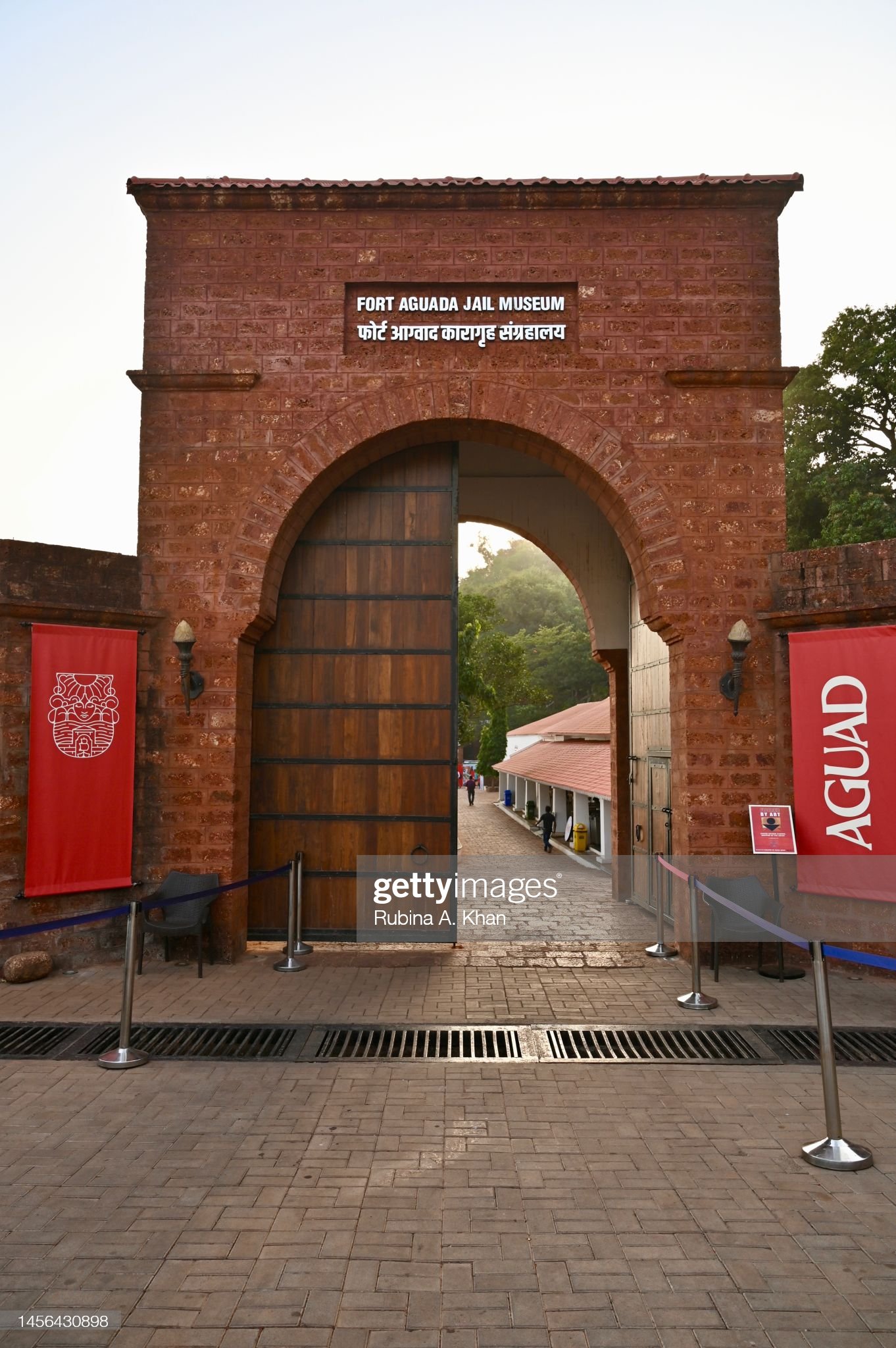
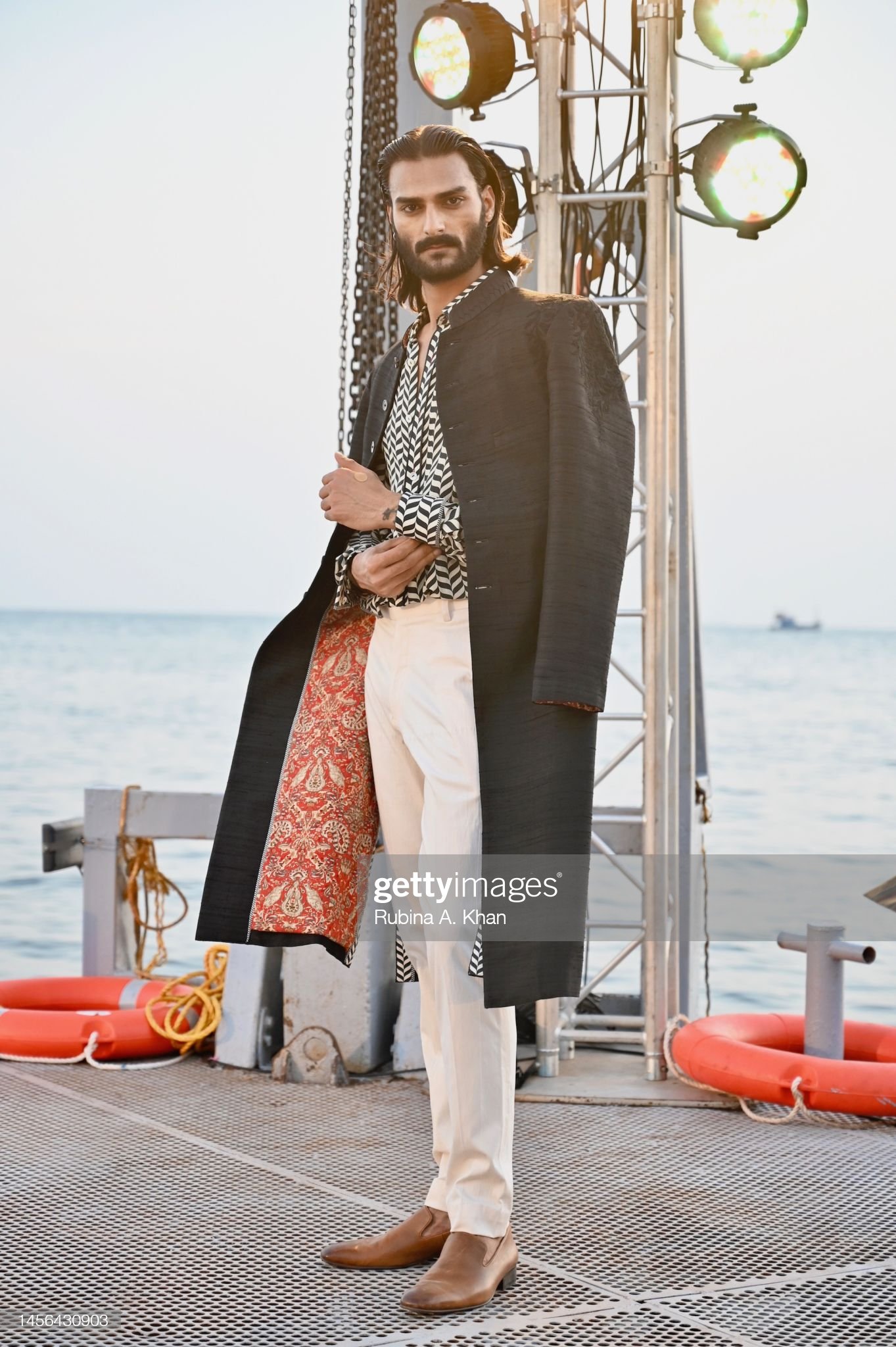
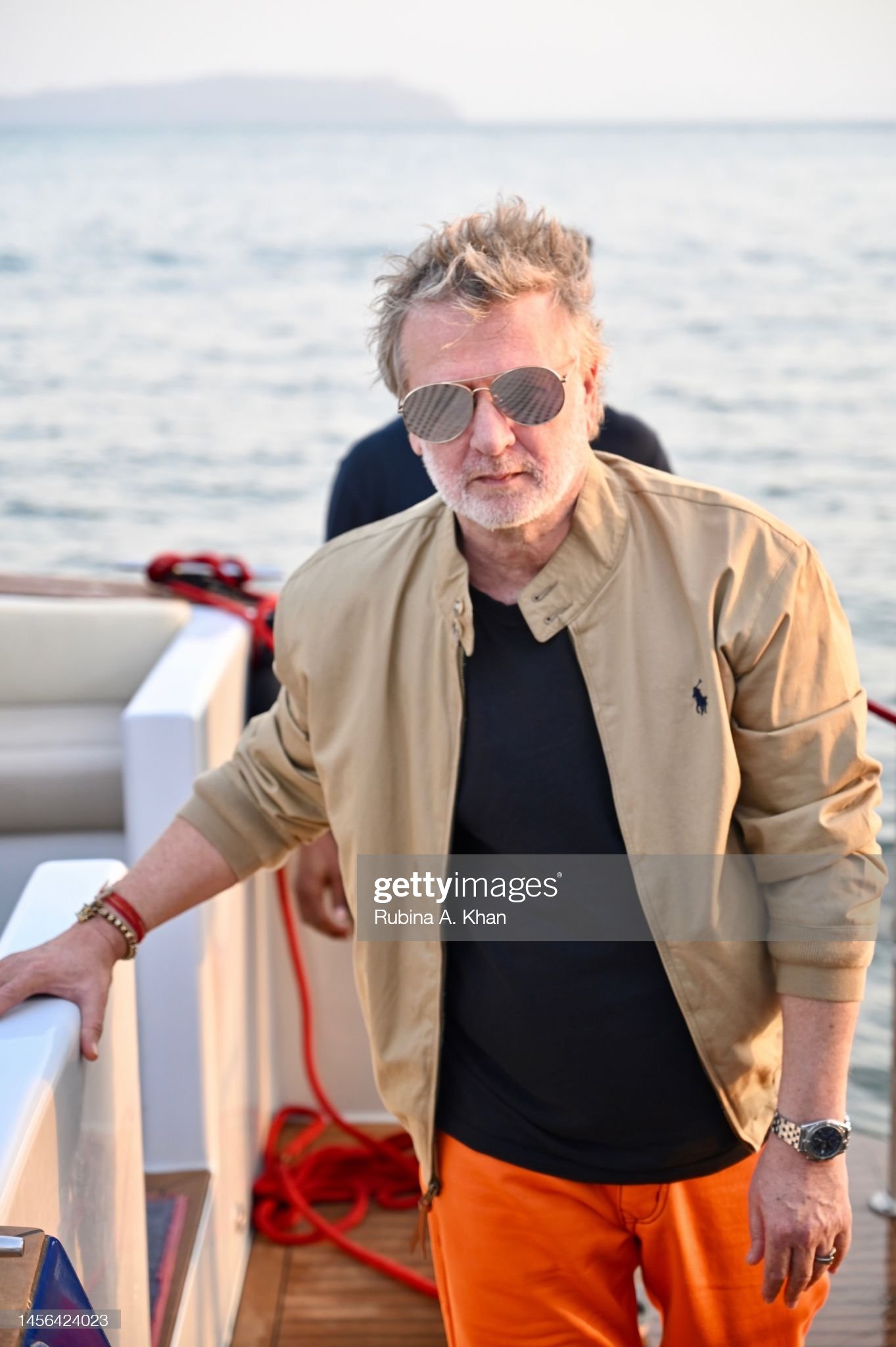
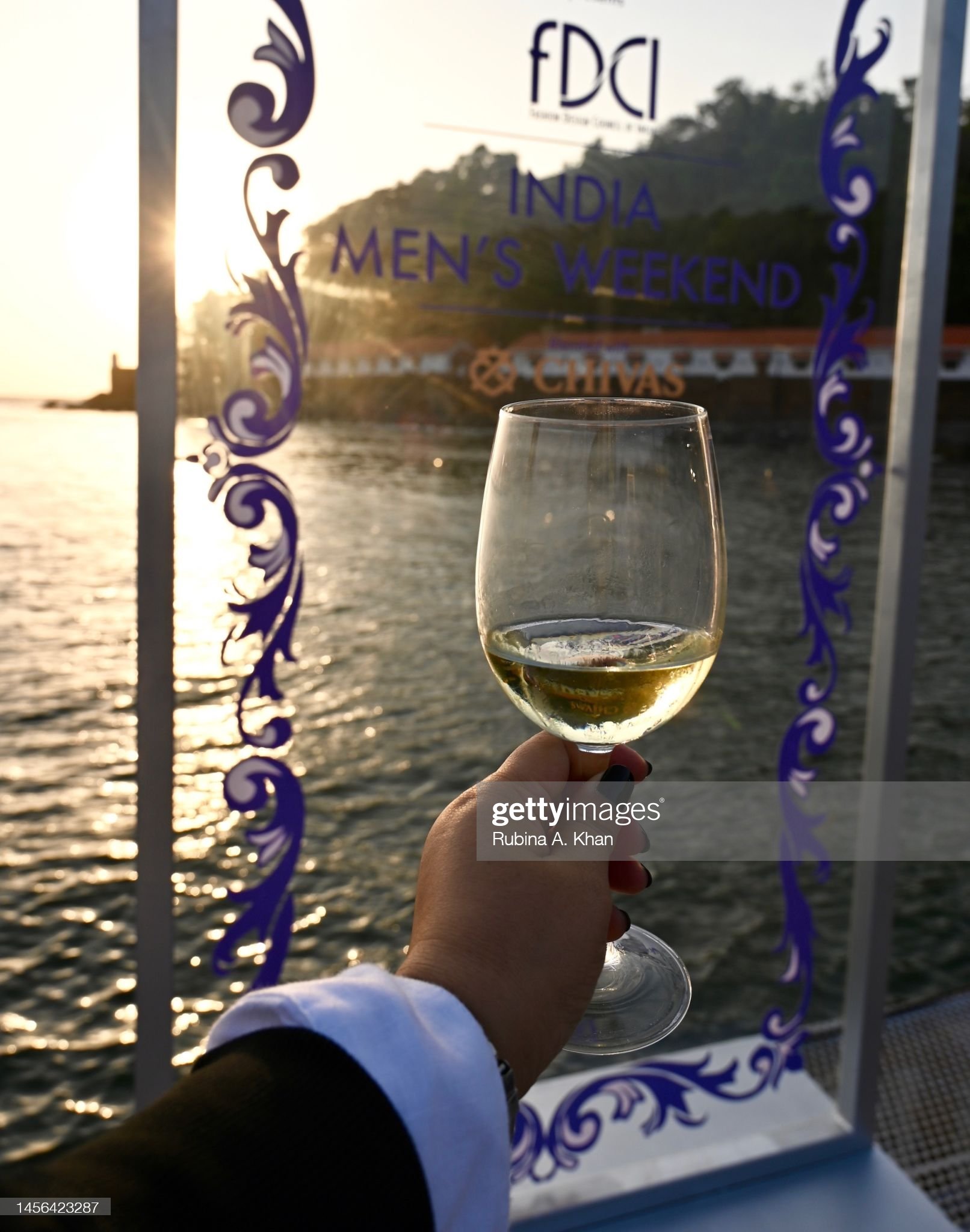
The first edition of the India Men’s Weekend 2023 curated by the Fashion Design Council of India was held on January 14th in Goa at a location most unwonted, yet astoundingly beautiful – the state’s former largest prison, Aguada Central Jail. The India Men’s Weekend showcased the works of eleven Indian designers with six ensembles each – Rajesh Pratap Singh, Abraham and Thakore, Varun Bahl, Abhishek Gupta, Arjun Khanna, Ashish N Soni, J J Valaya, Manoviraj Khosla, Rohit Gandhi + Rahul Khanna and Shantnu and Nikhil and Rohit Bal’s Alexander jeans for men.

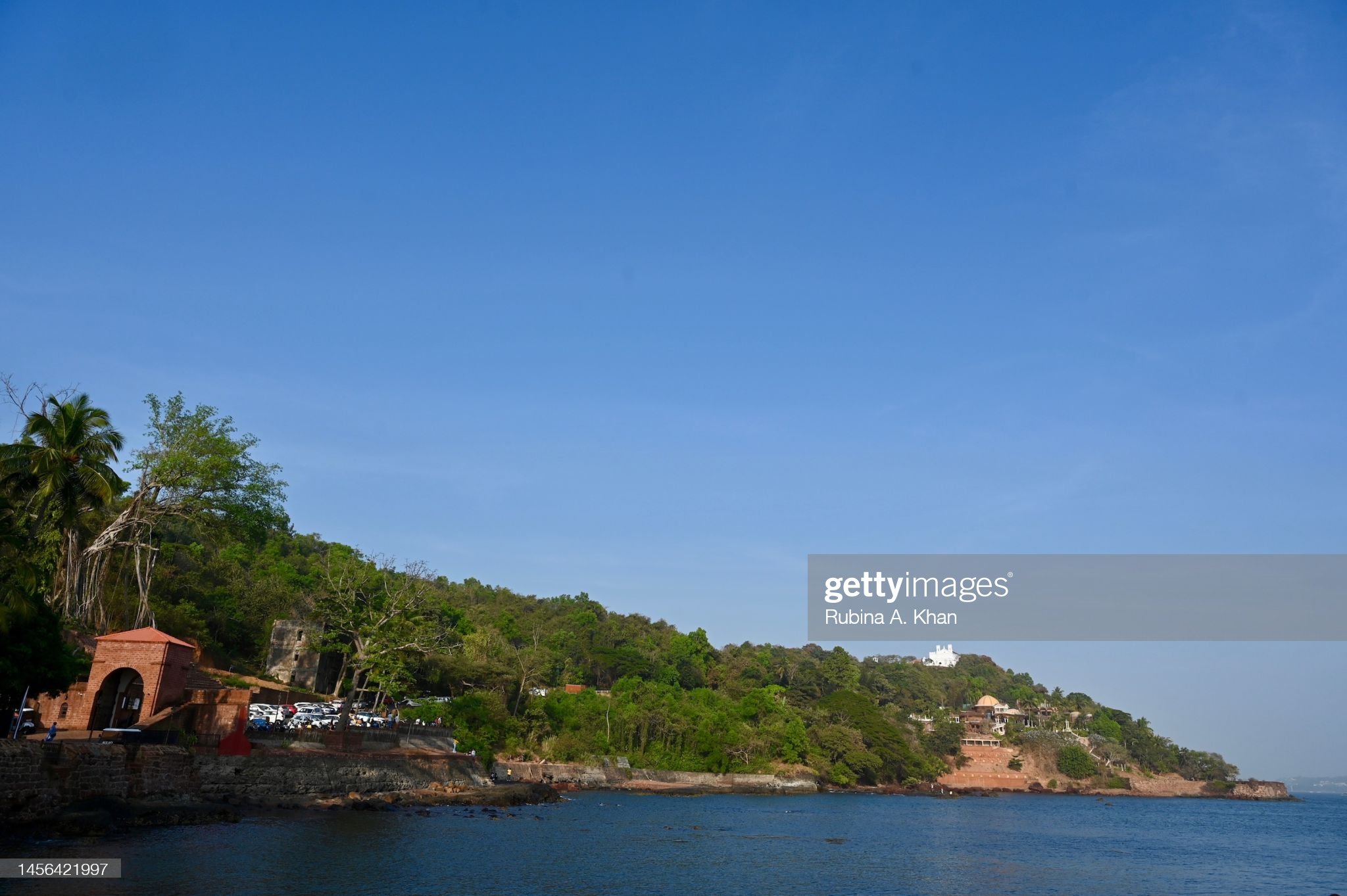
The jetty of the Aguad Port and Jail Complex in Sinquerim turned into a runway on the river Mandovi’s calm, turquoise waters, with a ball of fire setting the blue skies ablaze with its molten glory, making the India Men’s Weekend show the first of its kind to held in a jail in India. Talk about a crime of fashion that no one could be imprisoned for! Some of the clothes on the runway maybe, and their respective designers!

The Aguada Jail made for a fashionably bewitching scene for the show, and was supported by the Aguad Port and Jail Complex in Sinquerim. The Aguada Central Jail, the largest prison in Goa till 2015, is a part of the famed and impregnable Fort Aguada built by the Portuguese from 1609 CE to 1612 CE. The 17th-century Portuguese structure has been renovated and repurposed since by the Goa Tourism Development Corporation at a cost of approximately Rs 22 crore and is open to the public. It is now a heritage site, that pays homage to the freedom fighters of India, and houses a museum and viewing galleries since the redevelopment. Interestingly, água means water in Portuguese.

The India Men’s Weekend will be an annual event on the FDCI calendar in Goa, and possibly other cities in India December 2023 onwards.

©Rubina A Khan 2023

Hindujas Repurpose Winston Churchill’s OWO With £1.2 Billion Into Raffles London Hotel

The Indian industrialist brothers – Srichand, Gopichand, Prakash and Ashok Hinduja, of the Hinduja Group, a multinational conglomerate with interests in oil, automobiles, banking and real estate, are making acquiring historic and heritage properties in London a game of Monopoly, buying not where the die rolls, but where their eye goes. In 2006, they bought 13-16 Carlton House Terrace, built in 1831, spread over 67,000 square feet in the City of Westminster, with Buckingham Palace close by, for £58 million from the Crown Estate and spent another £50 million in renovations before they could move in and call it home in 2011.

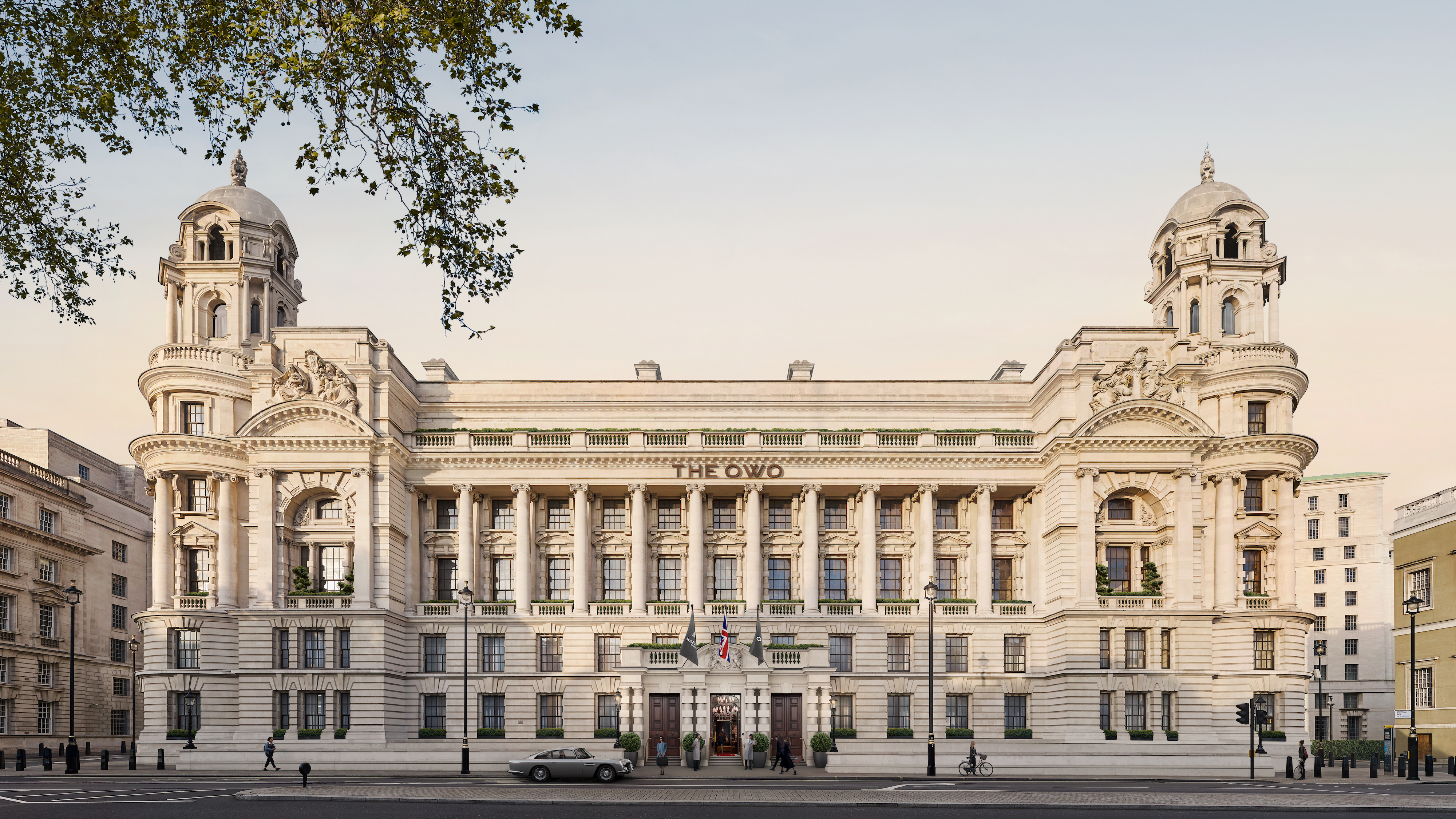
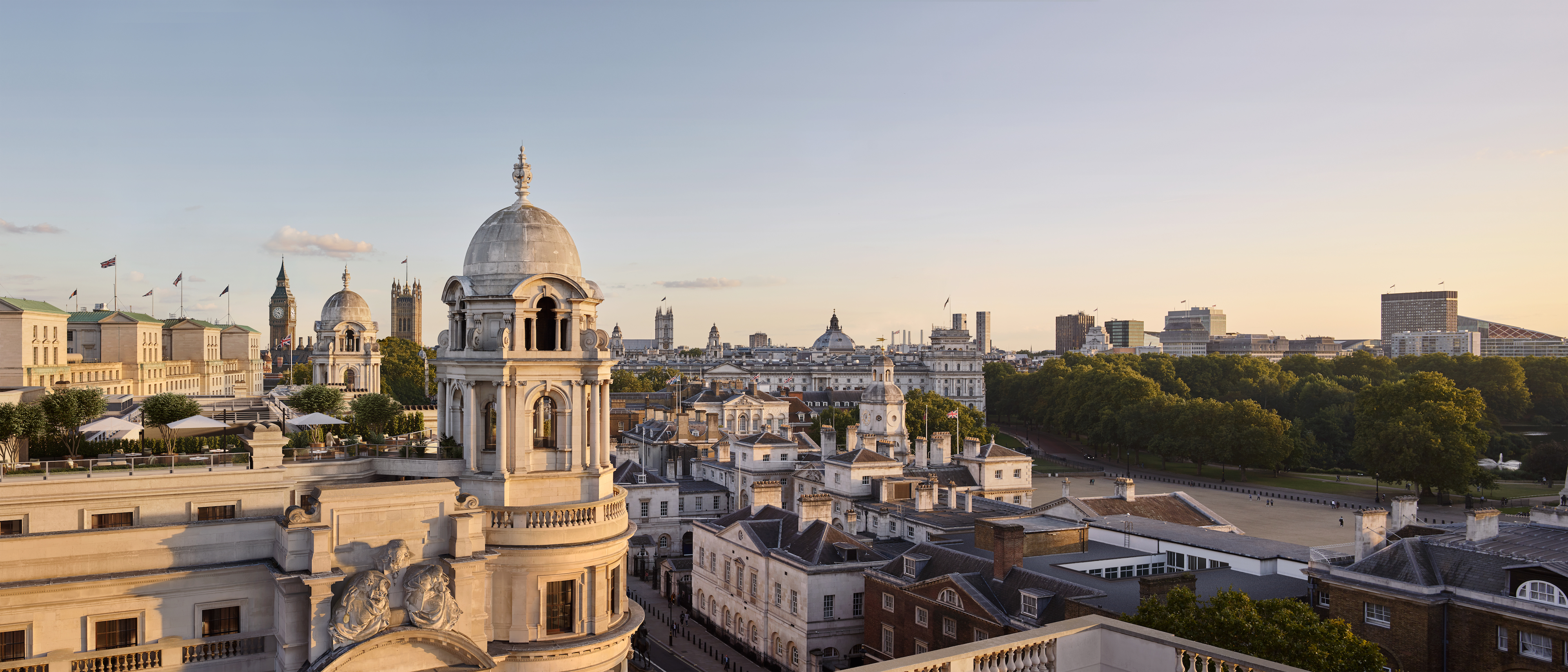
The brothers have since gone on to purchase Britain’s Old War Office (OWO) at Whitehall, for £1.2 billion in 2014. Designed by British architect William Young and originally completed in 1906, the OWO is a Grade II* listed building that has witnessed innumerable world-shaping events. The OWO’s 1,100 rooms and four kilometres of corridors, were used by Winston Churchill during World War II, leading Britain to wartime victory. Grand in size and stature both, with classic Edwardian baroque interiors, the OWO has since been renovated for over five years, in keeping with the rich legacy and the historical architectural elements of the building by the Hinduja Group at the helm of the 5,80,000 square feet redevelopment that cost a Gross Development Value of £1.2 billion. Interestingly, James Bond, the fictional MI6 icon of espionage, was conceived at the OWO when writer Ian Fleming worked in Britain’s Naval Intelligence Service, acting as key liaison with the department, overseeing Operation Goldeneye. As a result, the OWO has made starring appearances in 007 films like Skyfall, Spectre, License to Kill, A View to a Kill, Octopussy and No Time To Die over the years. 

Once the planning approvals came from the Westminster City Council in July 2017, Britain’s former Old War Office went from being a government building, to a mixed-use building with a 250 year lease from the date of acquisition. After being closed to the public for more than a century, the OWO, now repurposed into a luxury hotel called Raffles London at The OWO, is all set to open in the spring of 2023.

“The OWO is my greatest legacy to London for future generations to enjoy,” says Gopichand Parmanand Hinduja, co-chairman of the Hinduja Group. 

The 120 rooms and suites that comprise the OWO hotel, including a Winston Churchill Suite, have been designed by French architect and interior designer, Thierry Despont, known for the restoration of the Statue of Liberty in New York as an associate architect in the 80s and transforming landmark buildings like The Getty Centre and Maison Cartier. The 85 branded residences, a first for Raffles in Europe, come with a heady mix of history, mystery and royal glamour set in an enviable location, making them the most expensive in London to date. They are priced upwards of £7.1million for a two-bedroom residence, £10million for a two-bedroom residence designed by Albion Nord and £14.25million for a three-bedroom residence designed by Angel O’Donnell, with prices including fixtures and fittings, but not the artwork. A four-bedroom residence 5.02, on the fifth floor, is an ode to the espionage history of the building. It is accessed through the Spies Entrance, a door used by MI6 staff after covert missions, and the name has been retained from 1909 when the British Secret Service Bureau was established as a department of the War Office. It still makes for discreet arrivals and departures, but not without the 24/7 monitoring by on-site security. 

The OWO residences seem to have outperformed the Prime Central London market, with a new record for values achieved on a price per square foot basis, within months of their launch. A new benchmark of over £11,000 price per square foot was achieved on one of the unique turret residences, a four bedroom duplex. It is safe to say that the OWO residences, located in an unparalleled and iconic part of London, serviced by the Raffles team, are a coveted buy. 

Not only is the OWO the Hinduja Group’s first foray into the hospitality business, but it is also the first Raffles hotel in London, and the first Guerlain Spa in London, exclusive to the Raffles London at The OWO too.

Philippe Leboeuf, Managing Director at Raffles London at The OWO confirms the opening of the hotel, “This staggering piece of British history will be open to the public for the very first time from Spring 2023, thanks to the Hinduja’s tireless work in sensitively conserving this significant address, partnering with experts including English Heritage, MOLA (Museum of London Archaeology) and EPR Architects. This beacon of British heritage and modern craftsmanship will also be home to Raffles first hotel in the city, Raffles London at The OWO and it’s a once in a lifetime project for the Hinduja family which will become a new icon of global hospitality. Since acquiring the OWO, the Hinduja family have overseen the meticulous restoration of Britain’s former Old War Office with a vision and commitment to preserve its heritage, all the while breathing new life into the landmark.”

The acclaimed Italian-Argentine Chef Mauro Colagreco of Mirazur (three Michelin stars) a modernist cuisine restaurant that he opened in 2006 in Menton, France, will be creating unique dining experiences set within the OWO’s most storied rooms, driven by a commitment to seasonality, local procurement, and sustainability. Chef Mauro was awarded the rank of Chevalier de la Légion d’Honneur in the 2022 honours list by the French government. 

“Chef Mauro is undoubtedly one of the world’s most recognised chefs, with a phenomenal  reputation and we’re excited to see him bring his experience to Raffles London at The OWO with concepts that are tailor-made for our well-travelled guests,” says Stephen Alden, CEO of Raffles & Orient Express. 

Out of the nine restaurants and bars (including a rooftop restaurant and bar with expansive views across Whitehall, The Mall and Buckingham Palace) slated to open at the OWO, Paper Moon, a family-run Italian restaurant founded by Pio Galligani and his wife Enrica Del  Rosso in Milan’s fashion district in 1977, is the first independent restaurant to have been announced so far. Paper Moon is located in a space overlooking Horse Guards Avenue. There are plans to open restaurants serving Indian, Japanese and French cuisines which are still under negotiation.

“These vibrant new restaurants will be part of the dynamic dining offer which will place The OWO as a new epicentre for London’s culinary scene, and sets the stage for an entirely new hospitality experience for visitors and Londoners,” says Madani Sow of Westminster Development Services. 

This hospitality venture is the first of its kind in scale, spend and historical relevance, with an Indian business family restoring the history of a British landmark. It remains to be seen if the billions that The OWO has been bought, acquired and repurposed for, tempts the Hinduja family enough to make hospitality another key business for their group. 

This feature first appeared in Hindustan Times on November 27th, 2022

©Rubina A Khan 2022

India’s Real Estate Adjusts To COVID19 Reality | Gulf News

The COVID-19 pandemic has irreversibly changed the world order as we know it, and the economy, forever. We thought we lived in an adamantine world controlled by humans, until a contagion microbe – that’s killing harder and faster than any missile – showed us we obviously don’t. Every human and business is hurting, held hostage in quarantine in the absence of a vaccine or cure, at least not yet. Real estate too, is an altered reality.

Indian realty witnessed an unequivocal shift in perspective, long before the virus struck. The enforcement of the Citizen Amendment Act beleaguered India, leaving a trail of bloodbaths and mayhem in New Delhi in its wake, with non-violent protests across the country since December 2019 being the norm. Unsure of the future of their inherent national identities and citizenship, the unrest and uncertainty propelled some Indians and NRI’s to re-evaluate their assets in the country, in particular real estate. Sale listings went up in Mumbai, in many cases because the of very concerns related to the CAA enforcement. These listings didn’t strictly adhere to the market’s competitive and demanding numbers, but veered more towards liquidating the assets at flexible, albeit profitable prices.

IMG_0035

Gateway of India Mumbai | Photo: Rubina A Khan

Virtual tours, an unheard of thing in Mumbai, have slowly started via FaceTime and WhatsApp, but it’s hard to say if that will become the norm. Virtual show-arounds will suffice for a preliminary showing, but to make a final decision, a physical tour is a must, particularly as the amenities are a big part of the tours. The innumerable fake listings for Mumbai properties that lure in susceptible renters and buyers, will cease to exist soon enough as the health clearance of a broker will become as vital as that of a prospective ROB (renter-owner-buyer).

gettyimages-545207718-2048x2048

Bandra-Worli Sea Link Mumbai | Photo: Rubina A Khan / Getty Images

Brokers will by default have to become photographers and videographers, health screeners and learn how to disinfect their listed properties themselves. It will become standard practice for them to call a prospective buyer or a renter before a showing to make sure that he or she is feeling fine and has no cough or sore throat, and has not been out of the country recently – even after COVID-19 is contained. A short-term effect is that buyers will be less inclined to purchase or rent if they have no idea when they will actually get to visit the properties. The long-term effects are yet to unfold, but the virus will cripple sales despite lowered prices. There is no guarantee of buyers if self-isolation, travel bans and border closures continue indefinitely or intermittently.

I don’t see a likely upswing for the next two years at least. The economic uncertainty has sparked off a growing sense of unease and doomsday panic, and is likely to cost the global economy $1 trillion in 2020, according to the UN’s Trade and Development Agency (UNCTAD).

This feature first appeared in Gulf News on March 27, 2020

©Rubina A Khan 2020

RUBINA’S REVIEW | MANDARIN ORIENTAL DOHA IS A CULTURALLY COHERENT REGNANT OF QATARI HERITAGE

gettyimages-1188613713-2048x2048

DOHA, QATAR: The main entrance of the Mandarin Oriental, Doha in Qatar.

The Mandarin Oriental, Doha opened in March 2019 in Msheireb Downtown Doha, a planned, smart-city district in Qatar, and the world’s first sustainable downtown regeneration project. The sand-hued hotel overlooks the enchanting Barahat Msheireb Town Square, the largest open-air covered town square in the Middle East, encompassing 7000 sqm with the biggest retractable, climate-controlled cooling roof in the region. The design concept of the golden square references the welcoming and luxurious sitting rooms of traditional Qatari homes, and the backlit onyx cladding at night in translucent honey tones, echoes the inherent spirit of the desert. Msheireb Downtown Doha, developed by Msheireb Properties, whose Chairwoman is HRH Highness Sheikha Moza bint Nasser, adheres to the highest standards in green building in re-creating a way of indigenous Qatari living and culture, in the centre of the capital city. Qatar is not just kicking ball by hosting the 2022 FIFA World Cup, it’s venerating its history and heritage through artistic avant-garde advancement in every sphere. This 11,000 km desert kingdom is on its way to becoming a nonpareil cultural capital of the world.

gettyimages-1188609492-2048x2048

DOHA, QATAR: The Mandarin Oriental, Doha overlooks the Barahat Msheireb Town Square in Msheireb Downtown Doha, Qatar.

The Mandarin Oriental, Doha is not a glass and glimmer skyscraper tearing into the blue skies, as one is wont to think of luxury hotels in the Middle East, blazoning the apodictic wealth of the country. It confutes the very notion the second your car rolls up the narrow, stone-cobbled alleyways, especially designed thus to give you a feel of old Qatari residential neighbourhoods, but not without a distinct, contemporary finesse befitting of a luxury hotel. Brick, mortar, wood, metal and a whole lot of soul make up the architectural and design language of the Mandarin Oriental, Doha that is culturally coherent with Qatari living and the heritage of the desert nation. The ferej, an intrinsic part of Qatari homes, built to provide shade from the desert sun and for air circulation (a natural air-conditioner so to speak) for respite from the heat, makes its modern-day presence felt in the hotel’s corridors and landings.

gettyimages-1188616942-2048x2048

DOHA, QATAR: A street view of the main entrance of the Mandarin Oriental, Doha, Qatar.

The shifting shapes of sand dunes inspired the key design element for the interiors of the property. Right from the imposing entrance pillars to the walls, marble floors and ceiling reliefs, an artistic representation of sand dunes runs through the hotel consummately. The design is as conspicuous and as unobtrusive as you want it to be. If you want to see it, you can see it everywhere and if you don’t, well, then you don’t. But the sand dunes of Qatar are there, hearkening the travelling bedouin origins of Qatar to the current day on your calendar.

gettyimages-1188614447-2048x2048

DOHA, QATAR: A general view from the Mandarin Oriental, Doha of the ferej or narrow alleyway sstreets in Doha, Qatar

The fretwork sand dune panels, with a painted eggshell finish on the ceiling, with a brass veil, influenced by the awnings and canopies of Arab dhows and ocean waves, designed by the David Collins Studio and Alexander Lamont’s straw marquetry adorn the lobby of the hotel. The brass veil, alongside the straw marquetry, is a breathtaking design genius.  Lamont used dried straw stems, spliced open and flattened, inlaying them individually on wood, creating a sustainable quintessence of his own. The straw fibres reflect light, changing with the time of day in the lobby and the Baraha Lounge, lending a natural sheen to each panel.

Apart from the fretwork sand dune panels that run through the entire hotel, the rooms and bathrooms resonate with elements from the rich seafaring, maritime history of Qatar, albeit subtly. The metal studs on the walls are a contemporary interpretation of the old wooden beams that extended horizontally from the walls of Qatari homes called danshal, procured with great difficulty by the bedouins due to the lack of natural vegetation in the region, to build sturdy roofs for their clay homes. The beautiful lamp shades are asymmetrically shaped, inspired by Arab dhows and the mirrors in the bathroom hang from ropes that were used at sea for fishing and pearl-diving. The black and white tile work wall behind the bathtub and jacuzzi honours the weaving traditions of Qatari women. I love the heady fragrance the Atelier Cologne Rose Anonyme bath line, a Rose Oud, that’s congruous to the landscape’s Desert Rose crystal formations, used by Qataris as talismans for protection and spirit guidance.

A serene sense of calm envelops you, once you’re inside the pristine and quiet (I loved that!) of your room, and the plush bed is meant for sleeping, especially after an exquisite Oriental Essence treatment at the Spa with its very own indoor swimming pool. Flight fatigue what? Though I worked through most nights on my bed, and that was snug and restful too. Imagine discovering a yoga mat, a jaanamaz and a hair straightener (not just a hairdryer) in your room, not to mention the mini-bar snacks packaged in exclusively designed tin boxes bearing palm trees – this is artistic design commingling with human desires and essentials in a manner most natural and decorous.

The location of the Mandarin Oriental, Doha is enviable, given it’s a short 20-minute drive from Hamad International Airport and is adjacent to the Amiri Diwan, Qatar’s seat of government and the Emir of Qatar, HRH Tamim bin Hamad Al Thani’s palace. It is a five-minute walk to the Msheireb Museum and the redeveloped and very lively (not noisy) and alive Souk Waqif, with its Falcon Souks, a Camel Pen and of course, the Gold Souk. The Museum of Islamic Art, designed by the late I.M. Pei and the National Museum of Qatar, designed by Jean Nouvel to look like the natural Desert Rose crystal formations that are found in Qatar, with inward-curving disks, intersections and cantilevered elements, with 1.5 kilometers of gallery space, giving voice to the unique story of Qatar and its people in an immersive and experiential manner in three chapters — Beginnings, Life in Qatar and The Modern History of Qatar are a short drive away and stand testament to the invested vision of the country’s love and liberal furtherance of the arts. The recherché National Museum of Qatar is a must visit. To give you perspective, the Metropolitan Museum of Art in New York’s annual budget for new acquisitions is USD 30 million and the Qatar Museums’ is USD 1 billion, chaired by HRH Sheikha Al Mayassa bint Hamad bin Khalifa Al Thani.
gettyimages-1188450522-2048x2048The food is exemplary at all the four restaurants in the hotel, and at the Mandarin and Baraha Lounges. My first meal was an Angus Beef Burger at Aqua, the alfresco rooftop restaurant and bar that serves up easy-sharing dishes like Arabic mezze, sliders and pide.  Mosaic, the specialty nine-kitchen restaurant on the eighth floor is where the vibe is relaxed and the sun filters in through the metal grills inspired by traditional windows with intricate lattice panels called mashrabiya. Even the lifts bear a prominent pearl motif on the metal grills in honour of the pearling history of the country. Volcanic Torched Tuna Sushi, the Thai Beef Salad with a Lucha Libre cocktail here are to live for! I had a Turkish Pide (flat bread made of wheat flour) with Beef Pepperoni and Olive with Oregano and Parmesan for the fist time, and it was great. Mosaic is also where the elegant Qatari ladies breakfast and that says a lot about the food. I loved the Malika Honey, a delicious Qatari honey that’s harvested from the Busaif Apiary, of which 15 beehives are owned by the Mandarin Oriental, Doha as part of their sustainability program. It’s something that should really be sold to the guests at the hotel, it’s that good. The cream-filled Pistachio and Red Velvet Croissants, the Apple Detox Water, the Beef Cecina and all things beef honestly made me extremely happy to breakfast at Mosaic everyday.

Izu, the Mediterranean cuisine restaurant facing the Barahat Msheireb town square, with three seating areas – an indoor ground and mezzanine level and the popular outdoor terrace is where the culinary artistry is at, led by Nigerian chef, Izu Ani. Chef Izu is beyond gifted – Fried Organic Eggs with Foie Gras and Truffle Sauce, the Wagyu burger, Slow Braised Beef Short Ribs with Padron Peppers, the Burrata with Cherry Tomatoes and Basil, Watermelon and Feta Salad, the Mandarin Gelato, the Le Verger drink made with fresh basil leaves, lemon and apple juice – there’s a discernible Izu addition to the simple classics, that takes his creations to a whole new level of delectable, and memorable flavours. He’d Izu’d everything I ate and drank, and loved, from the very first bite and swill to the very last! You have to be Izu’d at Izu people.

The English afternoon tea service at the Baraha Lounge, overlooking the Barahat Msheireb town square, and at the Mandarin Lounge from 2-6PM everyday, is immensely popular with the Qataris and locals. Gilded cakes, pink rose madelines and savouries with bespoke blends anyone? Gelato, the frozen dessert and gelato restaurant, also overlooking the Barahat Msheireb town square hits everyone’s sweet spot with its vast array of flavours, from vegan chocolate to Arabic coffee to anything your heart desires. If The Secret Bar at Izu is rather rad whilst Ambar is its sophisticated equal to quaff in at the hotel.

Newer luxury hotels, unlike the Mandarin Oriental, Doha, aim to make you feel like you could be anywhere in the world once you’re inside, and that just does not cut it for me. I have my own bed at home where I can imagine such inanities in my pyjamas on my own time, thanks, but no thanks! I don’t need to take a flight to Doha to imagine that I am in the Seychelles! Every morning, when I woke up and had my morning Nespresso, I knew I was in Doha and not in a ‘home away from home’. I so despise that sell! Everything in the room, and outside my window overlooking the modern ferej, told me so and this is what I loved the most about staying at the Mandarin Oriental, Doha. I felt like I was invited into the luxe confines of a Qatari home that’s most certainly not mine, or like mine, and I am a treasured guest of theirs for the weekend. And that’s how you feel like you ‘belong’ innately to a new place. The Mandarin Doha team is ebullient and professional, led ably by their General Manager, Martin Schnider.

No evening at the Mandarin Oriental, Doha felt complete without looking out at the molten glow of the Barahat Msheireb town square or a ‘cool’ walk around it, literally. Doha will always be ManDOHArin for me!

Rubina’s Rating: 9/10

Disclaimer: Any part of the content on the rubinaakhan.com website cannot be reproduced without prior permission and crediting the website and the author.

@Rubina A Khan 2019

India’s Property Market Rides Election Wave | Gulf News

The triumphant win of Narendra Modi as Prime Minister of the Indian subcontinent for a second term, in the world’s largest election, has lent maximal credence to the country’s realty business in a manner most exceptional. The ruling government’s first term, contentiously driven by infrastructural development and financial realignments like Demonetization, RERA (Real Estate Regulation and Development Act) and GST (Goods & Service Tax) hit the cash-rich realty business particularly hard. Predictably, it was met with uproarious dissent. But, luxury realty seems to have taken a real turn since the legalized reorientations in the business, with antagonism giving way to smarts.

The luxe life is an addiction like no other. As long as there is human desire to live like royalty and be an in-your-face show-off, luxury real estate in India is headed forward. It stands at a profitable vantage point today, espousing all three acts, advantageous to both, builders and buyers. Indian realty expects investments to double to $10 billion in 2019. The paper trail and financial transparency accorded to the business is dominant, making it a streamlined, and somewhat trustworthy experience today. But there’s no denying that the business is devoid of the robustness and speed it once basked in, languishing ever so often in protracted sales.
gettyimages-520280970-2048x2048
RERA seems to have had the most impact so far, not so much on newer developers as it has on the bigger players with large, unsold inventories, given it is now mandatory for 70 percent of the money to be deposited in bank accounts through cheques, restricting unaccounted money being flushed into the realty business. Aside from its financial transparency, a RERA requisite that’s very conducive to prospective buyers, is that builders are obliged to quote prices based on carpet area (inclusive of usable spaces like the kitchen and bathrooms) and not super built-up area. Having said that, RERA needs to hasten the pace, and frequency, in providing aggrieved buyers who need long overdue compensations from unscrupulous developers across India. The clean-up in the business has only just begun. It is anything but cleaned up, as far as realty racketeers are concerned, despite the new regulations and progressive revamps of archaic Indian property laws like Insolvency & Bankruptcy Code and the Benami Transactions (Prohibition) Act being in place. For the business to regain the implicit trust of consumers and hit immediate sale highs, compensating buyers for their losses is vital, and it should become a regular occurrence as compared to the rarity it is today.

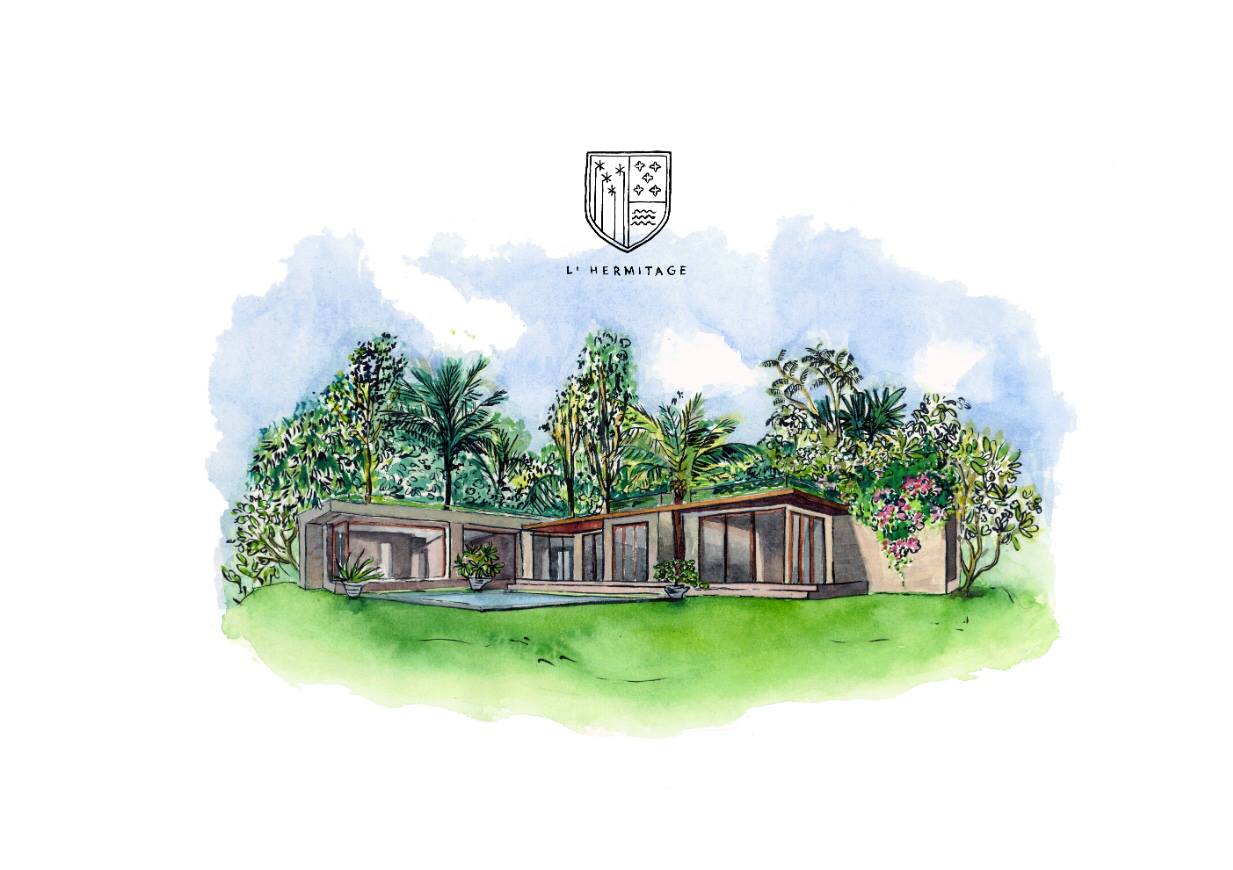
Luxury residences and serviced luxury residences make for accelerated buys and sells in India, and rightly so, as time is a luxury the wealthy can’t afford to indulge in. Newer developers in Mumbai like Aditya Kilachand, Partner at Innovation Estates LLP, seem to be on the right beach of luxury realty, building villas by the sea in Alibag, a mere three-hour drive from Mumbai. Tapping into Alibag’s infrastructure, the improved connectivity and proximity to Mumbai, its existing community and fairly undervalued land prices is just realty forethought and judiciousness. Seven luxury serviced villas called L’Hermitage, custom-designed by Sussanne Khan of The Charcoal Project, will be ready for some serious selling upwards of 10CR by Sotheby’s International Realty India, come July 2019.
villWith all the luxury constructions and developments, there is a new shift in the market of late, that of “aspirational luxury” residences that aren’t remotely luxurious, barring their price points. Priced at 7CR upwards for a 3BHK in the business suburb of the Bandra Kurla Complex in Mumbai, these residences allude to a luxurious lifestyle with cleverly scripted and assertive marketing hype. The insides of these residential towers are at most basic, with a garden path, a swimming pool and some semblance of a gym thrown in, with views of the city’s under-construction skyline off a balcony, masquerading as luxury amenities. Needless to add, it’s a “white elephant” investment for owners as resale inventory is at its lowest and unrealistic rentals dictated by the builder’s team, with few takers, stand testimony to the “mimic luxe” gimmick it’s established on. These kind of constructions need to be reined in, as these will lead to a catastrophically high, over-priced, unsold inventory in the country that will affect consumers far more than the builders.

This feature first appeared in Gulf News on June 9, 2019

©Rubina A Khan 2019

RUBINA’S RADAR | THEATRE & FASHION ROYALE

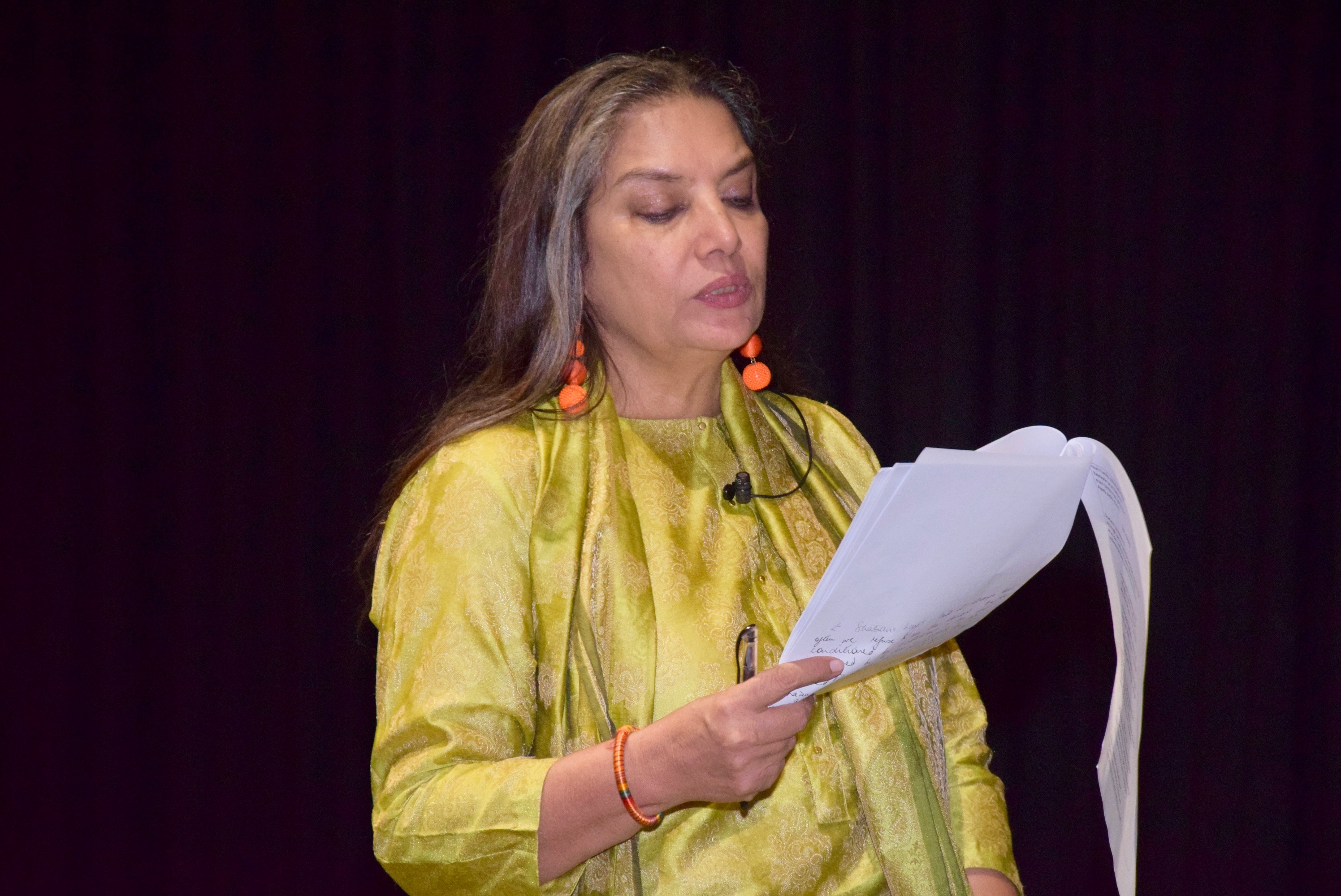
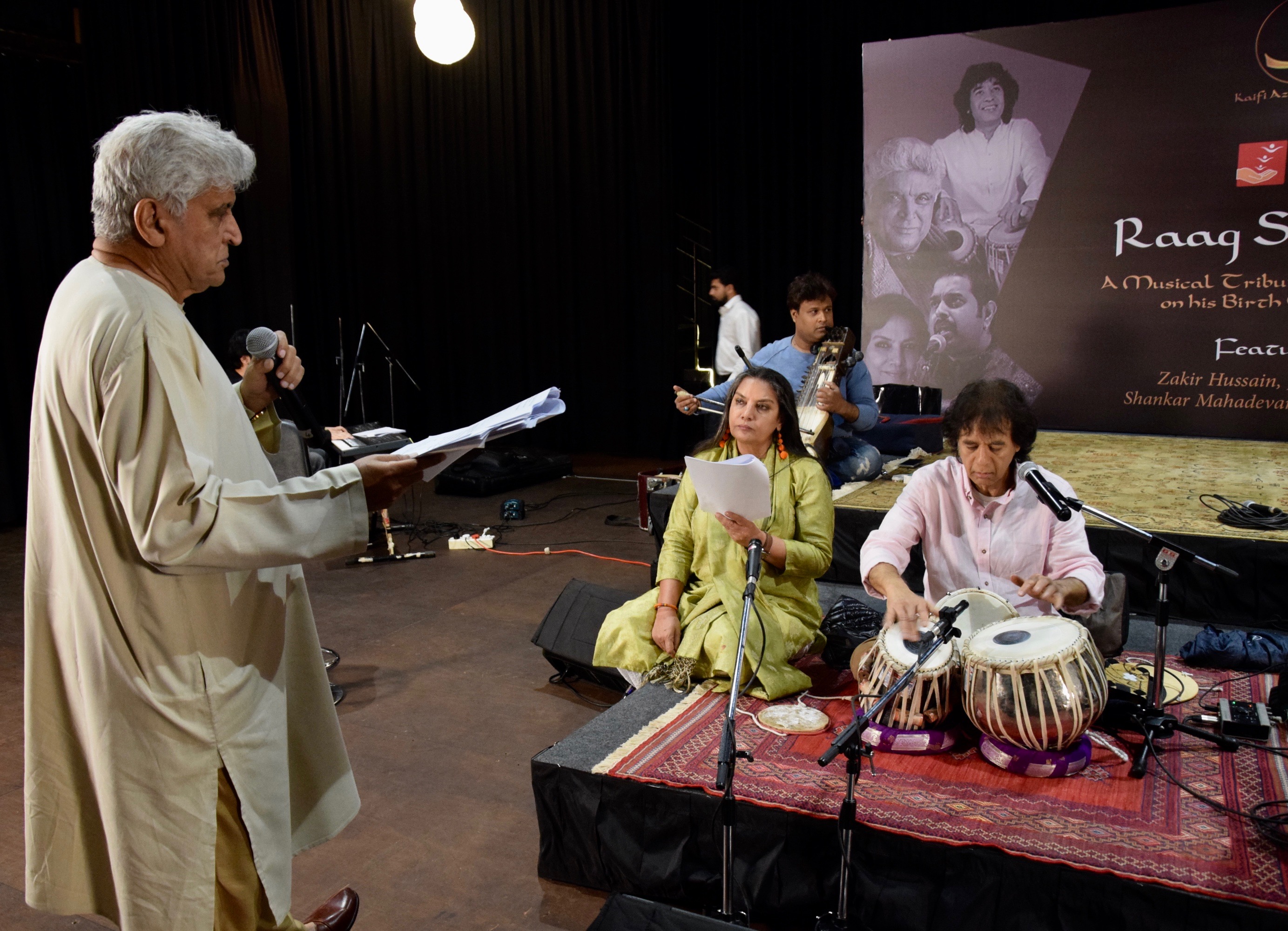
India’s finest talent, Shabana Azmi is celebrating her late father, Kaifi Azmi’s birth centenary with an ongoing series of events across India, from mushairas to plays to live musical evenings at Janki Kutir. Raag Shayari is an artistic, theatrical collaboration between Azmi, tabla maestro Zakir Hussain, singer and composer Shankar Mahadevan and lyricist Javed Akhtar, interpreting the works of the accomplished late poet in a contemporary, musical manner. “Raag Shayari’s an evening of archival value because Shankar Mahadevan sings a selection of Kaifi Azmi’s poems, Javed Akhtar recites them in Urdu and I recite the English translations with Ustad Zakir Hussain interpreting the same on the tabla,” says Azmi. The debut show of Raag Shayari was on January 13 at NCPA, Nariman Point. The second show was held the following evening at the St. Andrew’s auditorium in Bandra, Mumbai with Waheeda Rehman, Asha Parekh, Rekha, Aishwarya Rai-Bachchan, Vidya Balan, Farhan Akhtar, Divya Dutta and Madhu Chopra in attendance.

Shabana Azmi during rehearsals for Raag Shayari. Photo: Rubina A Khan
Javed Akhtar, Shabana Azmi and Zakir Hussain during rehearsals for Raag Shayari. Photo: Rubina A Khan

Forts are Indian fashion’s new runways du jour in 2019. Earlier this month, the Red Fort in New Delhi made for an enchanting setting for a fashion show held on its heritage grounds, organised by the Ministry of Textiles. It was a historic first for Indian fashion and a commendable one at that. After showing at the Red Fort, master couturier Rohit Bal enthralled Mumbai with Guldastah, a collection inspired by Renaissance artists and botanical paintings, at the Blender’s Pride Fashion Tour held at the Bandra Fort on Wednesday evening. 

Models walked down the bedecked steps of the fort in luxurious Bal raiments in hues of ivory, black, gold and red to the dulcet sounds of Shubha Mudgal’s live classical performance. This was the best fashion show I have ever seen in Mumbai. Guldastah was an immersive experience and you could almost smell the roses of forgotten romances with the ethereal floral dominance in Bal’s impassioned collection.

Actor Sidharth Malhotra was Bal’s showstopper, but a resident dog of Bandra Fort beat him to it, wagging its tail happily on to the runway, ahead of him, much to the delight of everyone present. Malhotra seemed to have studied Amitabh Bachchan’s walk and stance thoroughly and mirrored the same quite well on the runway. But then again, mirroring is not quite like owning it! Anju Bhavnani, now more popular as Deepika Padukone’s mother-in-law versus Ranveer Singh’s mother, was all praises for her beautiful bahu when I spoke to her for a lightning Mumbai minute. “We are very happy and blessed, hashtag blessed,” she said. A family that hashtags together stays together? Insta guess so!

Disclaimer: Any part of the content on the rubinaakhan.com website cannot be reproduced without prior permission and crediting the website and the author.

©Rubina A Khan 2019