The COVID-19 pandemic has irreversibly changed the world order as we know it, and the economy, forever. We thought we lived in an adamantine world controlled by humans, until a contagion microbe – that’s killing harder and faster than any missile – showed us we obviously don’t. Every human and business is hurting, held hostage in quarantine in the absence of a vaccine or cure, at least not yet. Real estate too, is an altered reality.
Indian realty witnessed an unequivocal shift in perspective, long before the virus struck. The enforcement of the Citizen Amendment Act beleaguered India, leaving a trail of bloodbaths and mayhem in New Delhi in its wake, with non-violent protests across the country since December 2019 being the norm. Unsure of the future of their inherent national identities and citizenship, the unrest and uncertainty propelled some Indians and NRI’s to re-evaluate their assets in the country, in particular real estate. Sale listings went up in Mumbai, in many cases because the of very concerns related to the CAA enforcement. These listings didn’t strictly adhere to the market’s competitive and demanding numbers, but veered more towards liquidating the assets at flexible, albeit profitable prices.

Gateway of India Mumbai | Photo: Rubina A Khan
Virtual tours, an unheard of thing in Mumbai, have slowly started via FaceTime and WhatsApp, but it’s hard to say if that will become the norm. Virtual show-arounds will suffice for a preliminary showing, but to make a final decision, a physical tour is a must, particularly as the amenities are a big part of the tours. The innumerable fake listings for Mumbai properties that lure in susceptible renters and buyers, will cease to exist soon enough as the health clearance of a broker will become as vital as that of a prospective ROB (renter-owner-buyer).
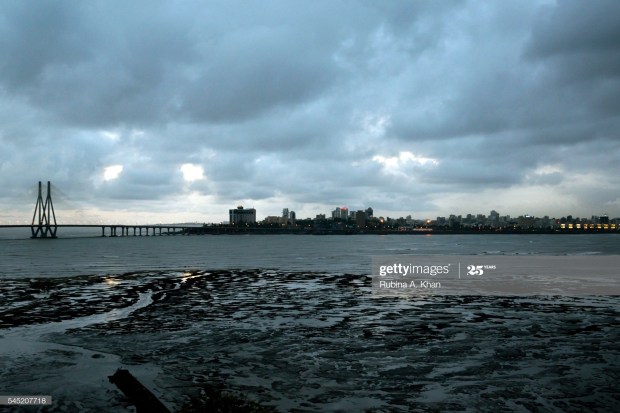
Bandra-Worli Sea Link Mumbai | Photo: Rubina A Khan / Getty Images
Brokers will by default have to become photographers and videographers, health screeners and learn how to disinfect their listed properties themselves. It will become standard practice for them to call a prospective buyer or a renter before a showing to make sure that he or she is feeling fine and has no cough or sore throat, and has not been out of the country recently – even after COVID-19 is contained. A short-term effect is that buyers will be less inclined to purchase or rent if they have no idea when they will actually get to visit the properties. The long-term effects are yet to unfold, but the virus will cripple sales despite lowered prices. There is no guarantee of buyers if self-isolation, travel bans and border closures continue indefinitely or intermittently.
I don’t see a likely upswing for the next two years at least. The economic uncertainty has sparked off a growing sense of unease and doomsday panic, and is likely to cost the global economy $1 trillion in 2020, according to the UN’s Trade and Development Agency (UNCTAD).
This feature first appeared in Gulf News on March 27, 2020

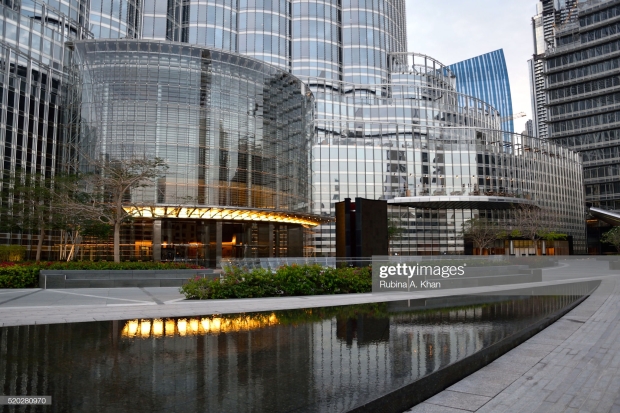
 With all the luxury constructions and developments, there is a new shift in the market of late, that of “aspirational luxury” residences that aren’t remotely luxurious, barring their price points. Priced at 7CR upwards for a 3BHK in the business suburb of the Bandra Kurla Complex in Mumbai, these residences allude to a luxurious lifestyle with cleverly scripted and assertive marketing hype. The insides of these residential towers are at most basic, with a garden path, a swimming pool and some semblance of a gym thrown in, with views of the city’s under-construction skyline off a balcony, masquerading as luxury amenities. Needless to add, it’s a “white elephant” investment for owners as resale inventory is at its lowest and unrealistic rentals dictated by the builder’s team, with few takers, stand testimony to the “mimic luxe” gimmick it’s established on. These kind of constructions need to be reined in, as these will lead to a catastrophically high, over-priced, unsold inventory in the country that will affect consumers far more than the builders.
 A luxury apartment in Mumbai valued at Rs70 million will sell, eventually, but time will play a starring role in the sale today. Slashed to Rs55 million at a sizeable paper loss to the owner, it’ll sell within six months to a year. Cutting losses on luxury property investments was unthinkable, the crash of 2008 notwithstanding. I wouldn’t call this a seller’s market – it’s the buyers that decide the when and the where, with no ready money in the market. Realty purchases are entirely need-based and not investment-based, barring corporates who have the money and readily-available loans to enable their investments. Individual investors shirk buying as that entails endless tax probes and exhausting paperwork.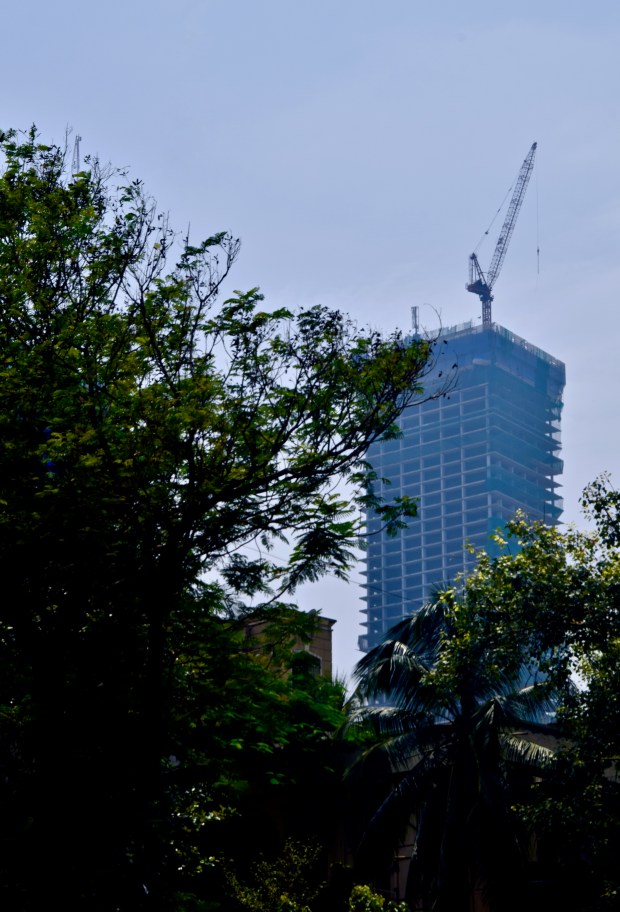

 Rubina A Khan